
Science
Los Alamos Public Schools 2026 State Science Fair Results
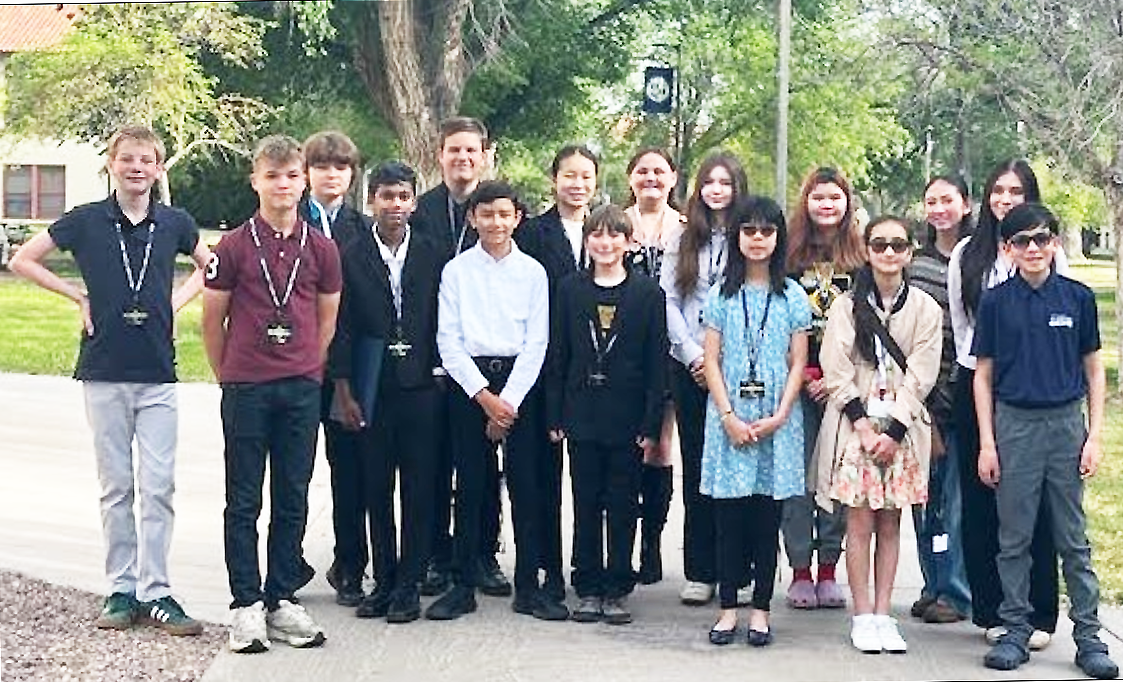 Students from Barranca Mesa Elementary, Mountain Elementary, Los Alamos Middle School, and Los Alamos High School at the 2026 New Mexico State Science & Engineering Fair at New Mexico Tech. Courtesy/LAPS
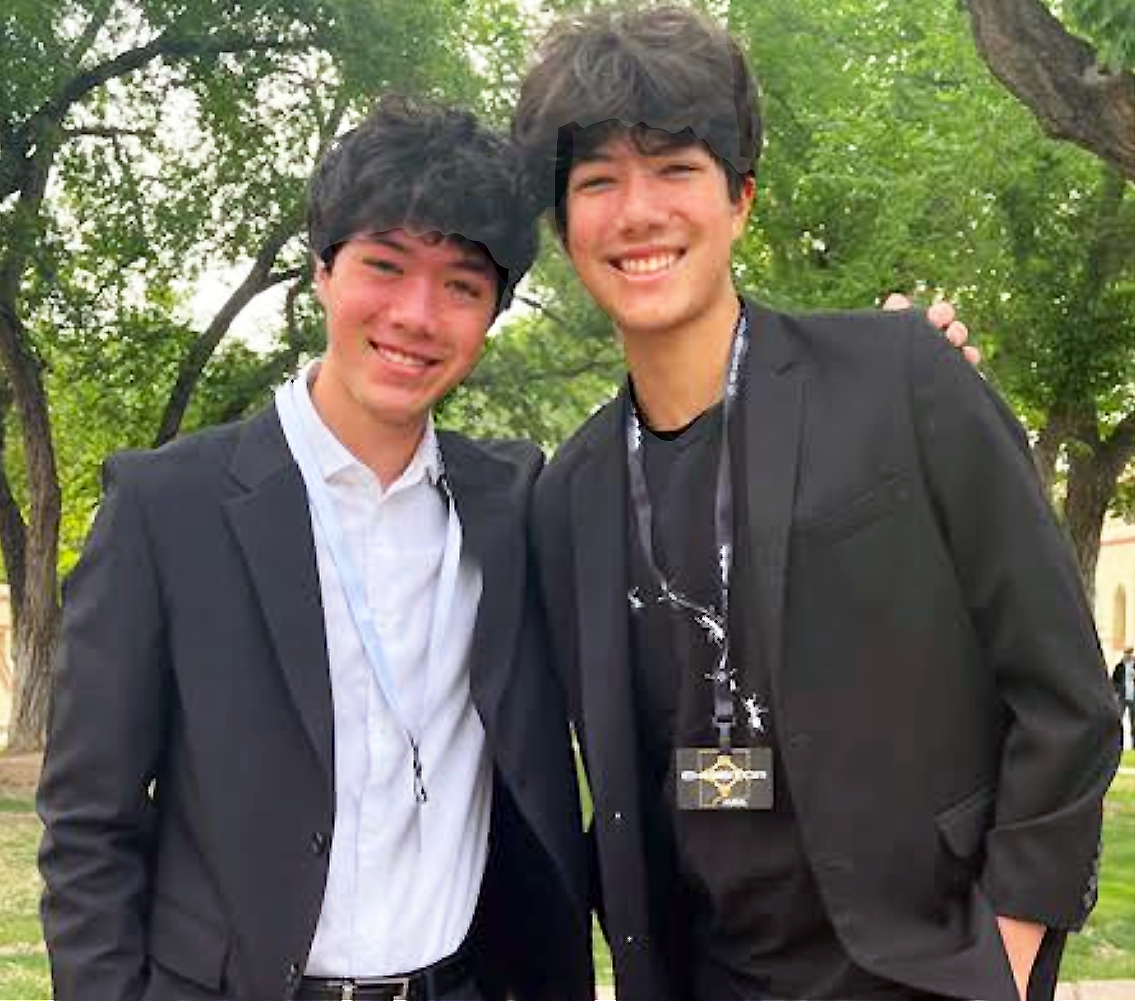 LAHS junior Tate Plohr and freshman Linus Plohr qualified to attend the 2026 Regeneron International Science and Engineering Fair in May in Phoenix, Ariz. Courtesy/LAPS
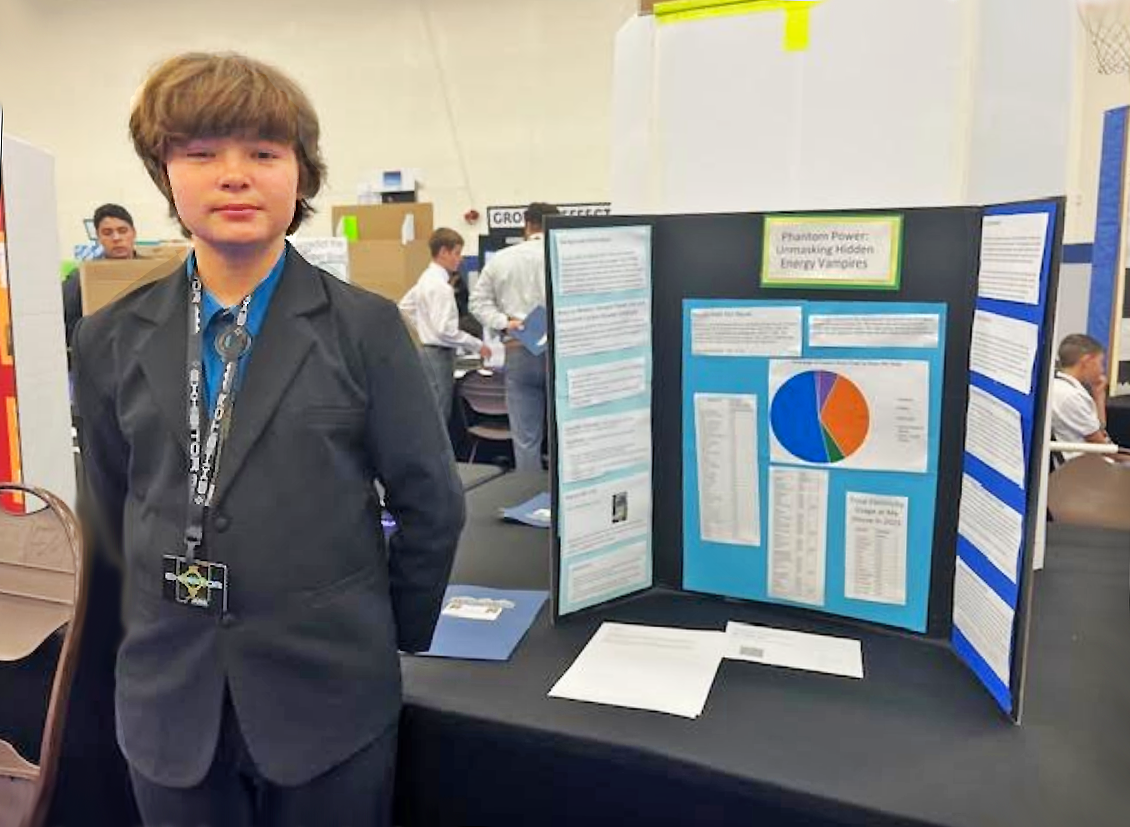 Los Alamos Middle School student Branden Keller was awarded the CO2 & Greenhouse Gas Scholarship in the amount of $2,000 at the 2026 New Mexico State Science & Engineering Fair. Courtesy/LAPS
LAPS News:
Twenty Read More
‘Reverse Demo Days’ At Los Alamos Makers Spark Early Product Ideas And Momentum For Regional Creative Entrepreneurs
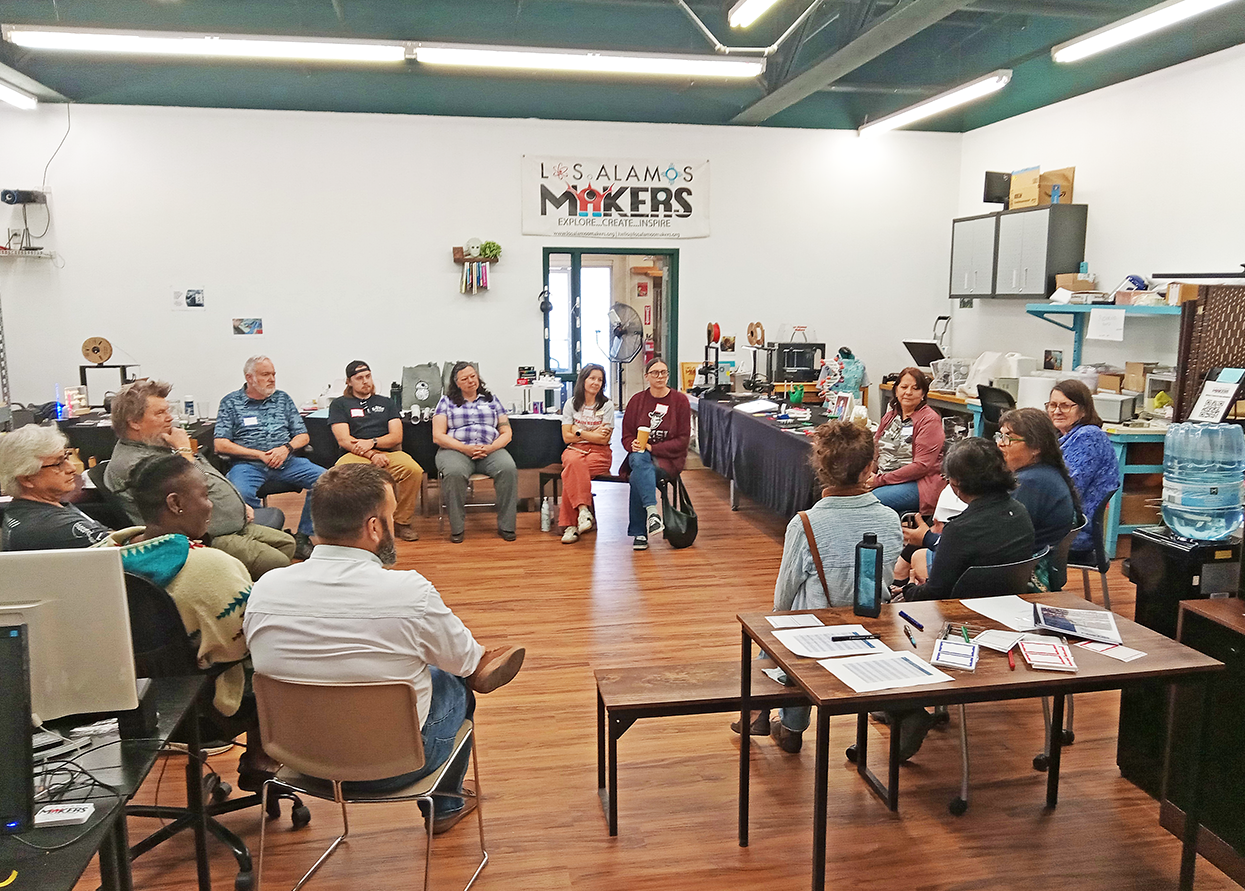 Participants introducing themselves during a roundtable session at the recent ‘Reverse Demo Days’ event at Los Alamos Makers. Courtesy photo
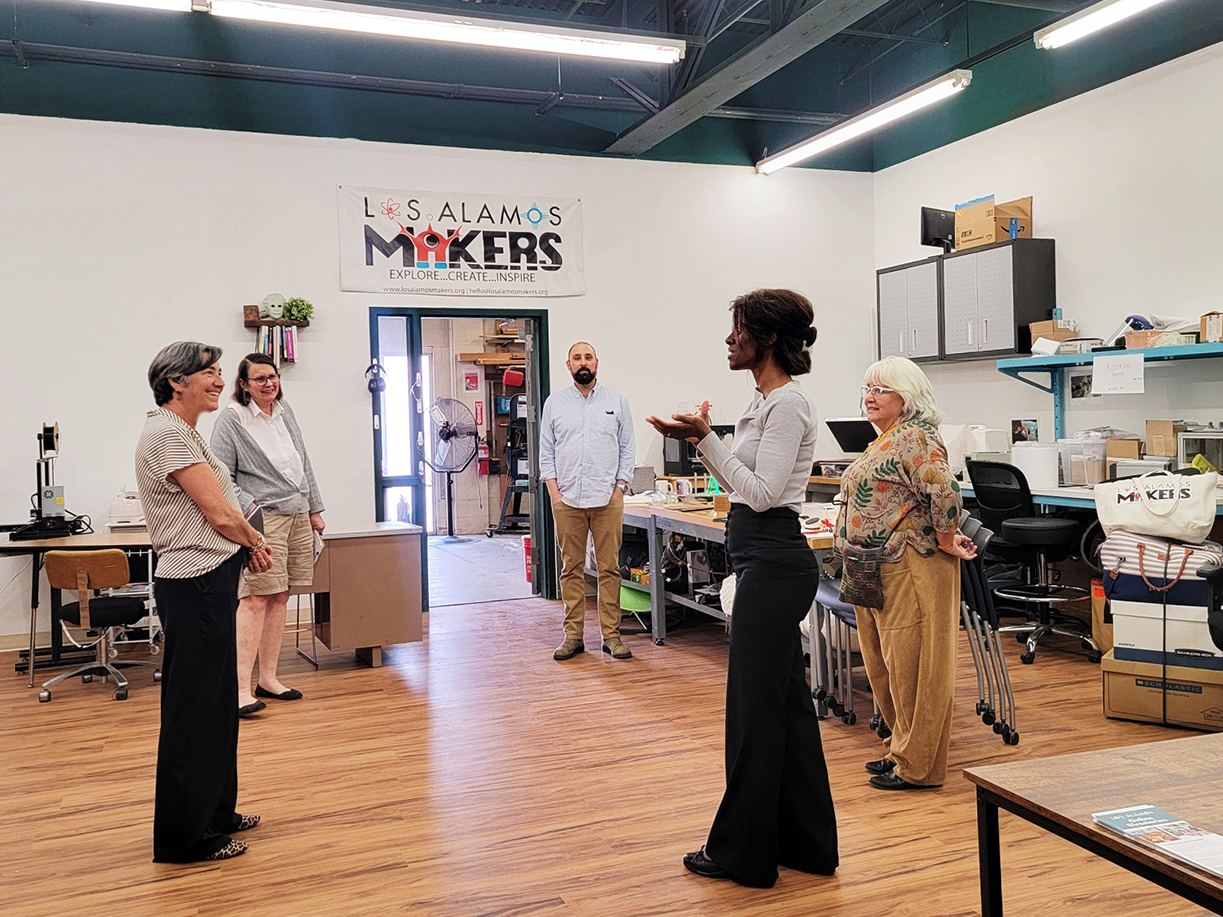 Dr. Prisca Tiasse, second from right, speaks with County officials during the recent visit by Federal Reserve Bank of Kansas City to Los Alamos Makers. Photo by Carol A. Clark/ladailypost.com
Los Alamos Makers News:
Los Alamos Makers has announced the successful completion of its recent “Reverse Demo Days”, a hands-on, exploratory event designed to introduce creative entrepreneurs to the tools, workflows, and opportunities shaping the future Read More
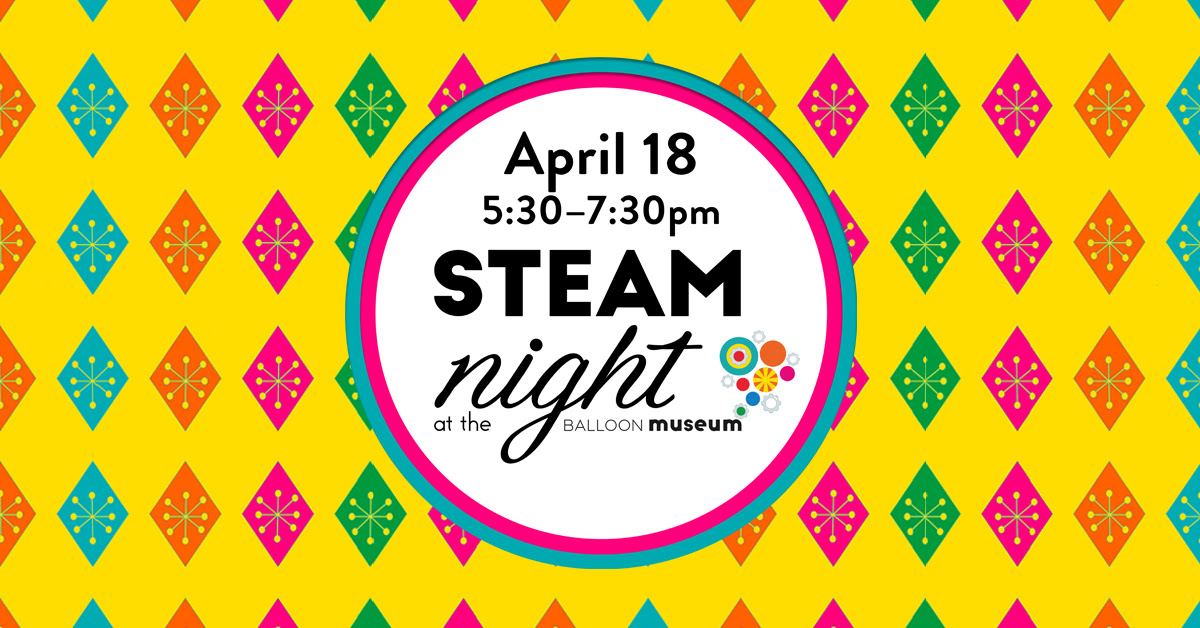
STEAM Night At The Balloon Museum April 18
BMF News:
STEAM Night at the Balloon Museum is an evening event for curious minds of all ages, exploring themes that relate to science, technology, engineering, art, AND math (STEAM) of ballooning.
Are you curious about how hot air balloons are made? Would you like to learn about constructing a balloon of your own? Come Explore the how-tos of building a balloon in the 21st century and learn about new technology being developed by local enthusiasts to help balloons fly higher, farther, and smarter.
This event will include:
- live demonstrations with local balloon innovators and builders,
- tinker
Today Marks World Quantum Day 2026

From World Quantum Day Organization:
-
-
-
-
- Discover the language of the universe
-
-
-
World Quantum Day is an annual celebration promoting public awareness and understanding of quantum science and technology around the world.
Why April 14?
The World Quantum Day is celebrated on April 14, a reference to 4.14, the rounded first digits of Planck’s constant: 4.1356677×10⁻¹⁵ eV⋅s = 0.000 000 000 000 004 1356677 electron volt second, a product of energy and time that is the fundamental constant governing quantum physics.
Why is Planck’s constant so important? Did you know it is used to define the kilogram? Read More
TAU Systems, LBNL Achieve Breakthrough In Laser-Powered Accelerator Operation
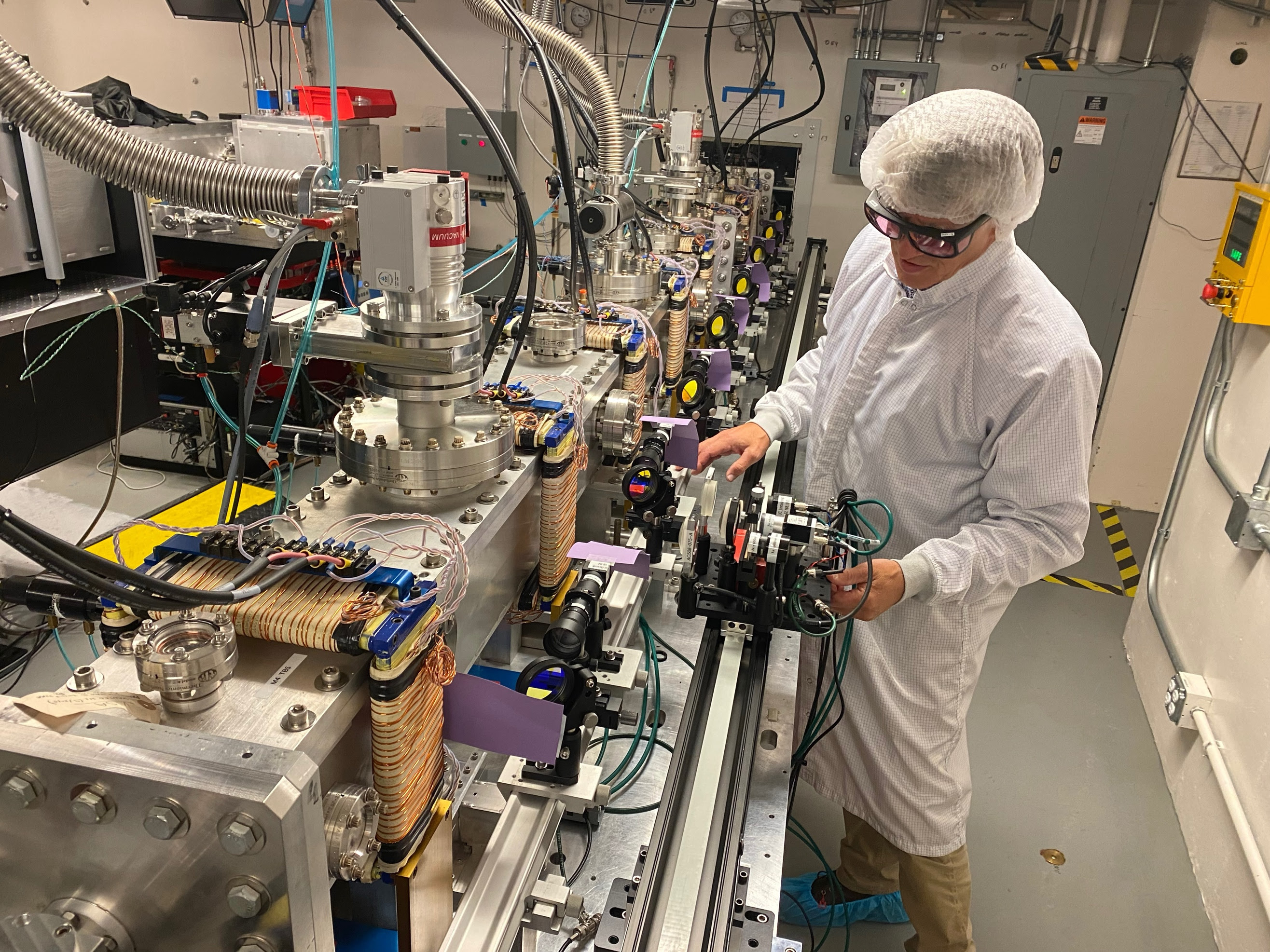 Stephen Milton checking operation of the Hundred-Terawatt Undulator system. Courtesy photo
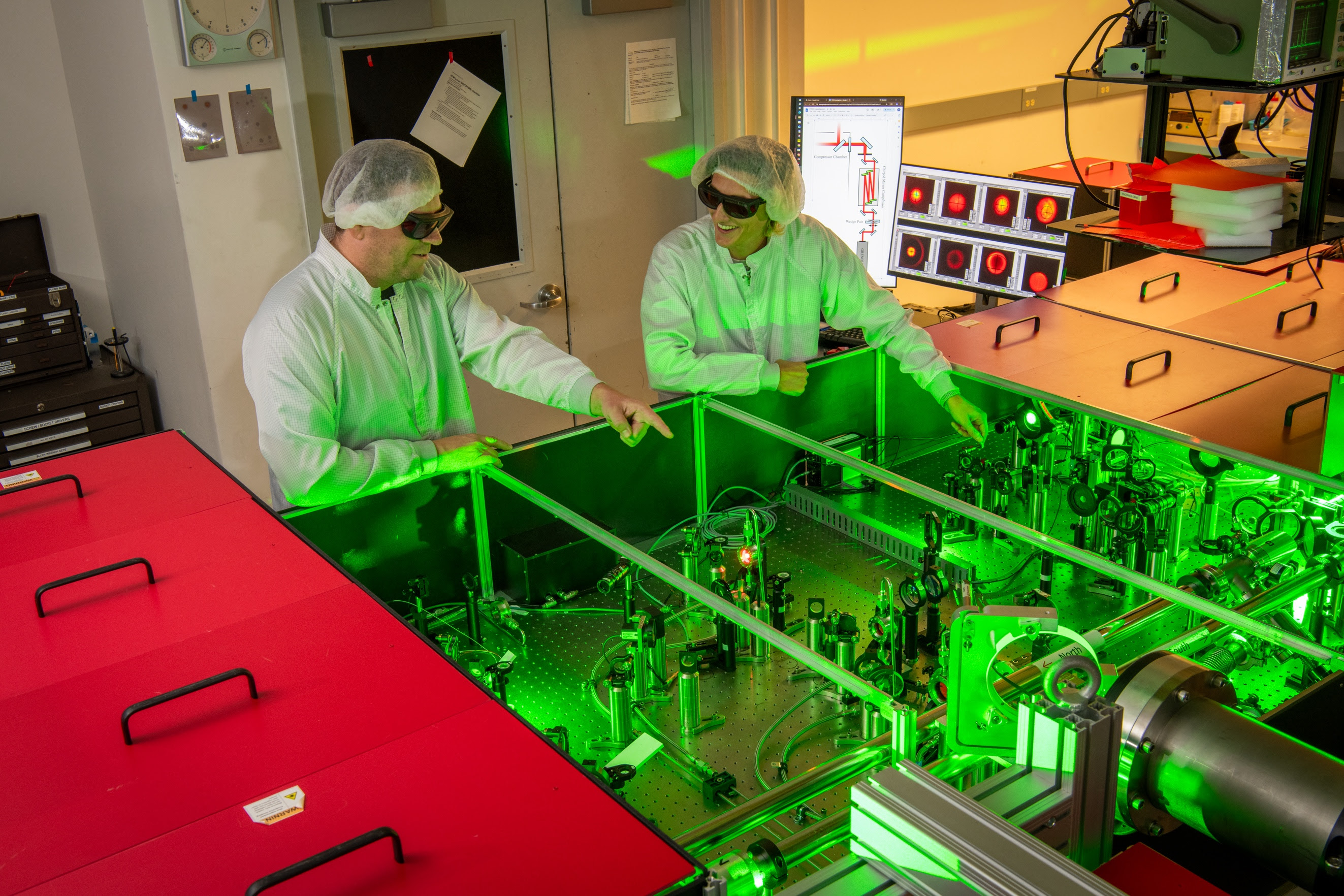 Sam Barber and Finn Kohrell working in the BELLA facility. Courtesy photo
SCIENCE News:
CARLSBAD, CA —TAU Systems, a pioneer in compact particle accelerator technology, today announced a major scientific milestone: the first-ever demonstration of reliable, continuous operation of a laser-powered accelerator (LPA)-driven free-electron laser (FEL) sustained over more than eight hours without operator intervention. The achievement, published in a new research paper, marks a pivotal step Read More
Santa Fe Children’s Museum Selected For STEM Education Partnership With Cummins Inc.
 SFCM News:
SANTA FE — Santa Fe Children’s Museum (SFCM) has announced its selection as one of 20 children’s museums to participate in a STEM education initiative funded by Cummins Inc. and administered by the Association of Children’s Museums (ACM).
Through this partnership, Santa Fe Children’s Museum will receive $10,000 to develop and deliver innovative science, technology, engineering, and mathematics programming (STEM) designed to inspire the next generation of problem-solvers and innovators in Santa Fe and Northern New Mexico.
This initiative supports Cummins READY™, Read More
LAHS Robotics Team GO For Houston
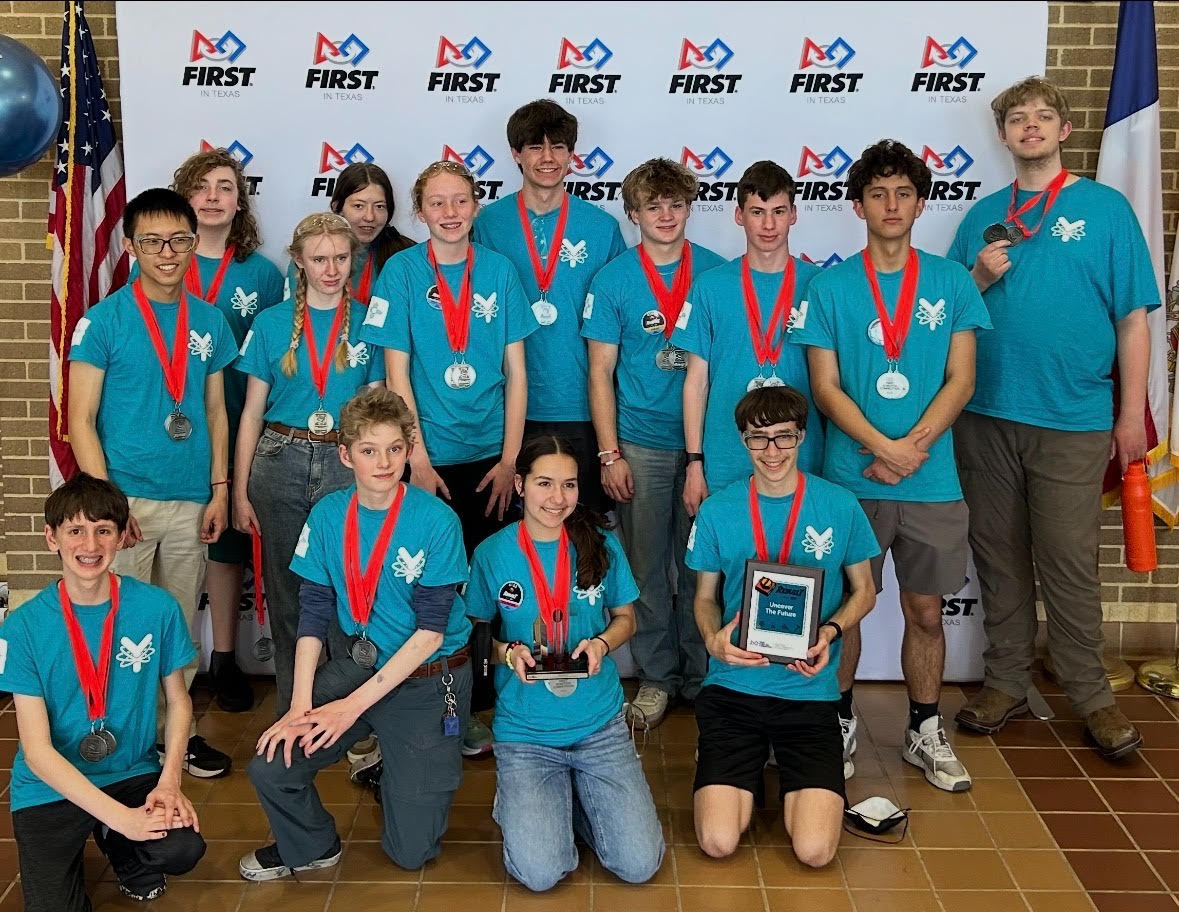 Team 4153 in Fort Worth, Texas. Courtesy/LAPS
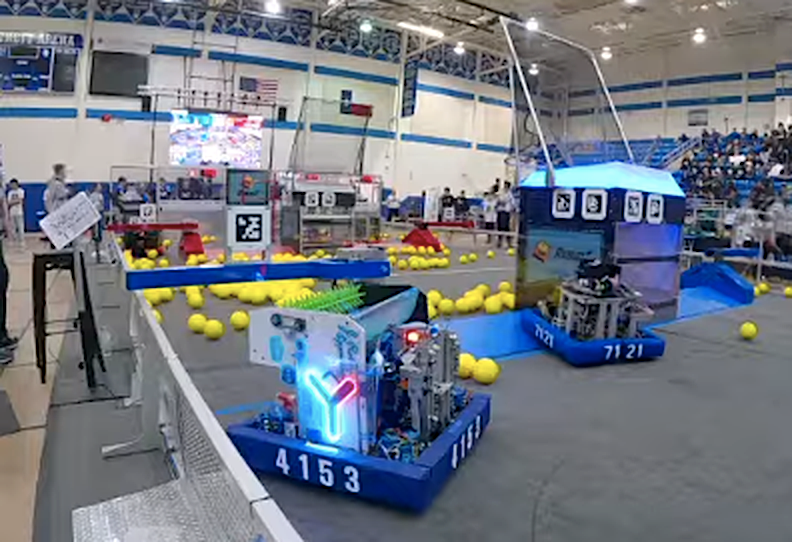 Project Y Robot 4153 on the Competition Field. Courtesy/LAPS
By EMILY XU
LAHS Student
Los Alamos High School’s Robotics Team 4153, “Project Y”, has been hard at work since January designing and building a custom robot to compete in FIRST Robotics Competition (FRC) district events. Led by CEO John Kang, Project Y competed twice recently in both Fort Worth and Amarillo, Texas, and earned the District Points and ranking status to advance to the FIRST in Texas District Championships.
From March 19-21, they competed at Fort Worth, achieving second Read More
PEEC To Present Hybrid Talk With USGS Ecologist Ellis Margolis: ‘Fire Ecology And Changing Fire Regimes In The Jemez Mountains’ April 13

PEEC to host ‘Fire Ecology and Changing Fire Regimes in the Jemez Mountains’ April 13, at the Los Alamos Nature Center Planetarium. Courtesy/PEEC
PEEC News:
The Pajarito Environmental Education Center (PEEC) will host USGS Field Ecologist Ellis Margolis for an in‑person and live‑streamed presentation, “Fire Ecology and Changing Fire Regimes in the Jemez Mountains”, 7-8 p.m., Monday, April 13, at the Los Alamos Nature Center Planetarium. Admission is free for both in‑person and virtual attendees.
Registration is available at peecnature.org/events.
In this timely and accessible talk, Read More
Omega Announces Acquisition Of S.R. Martin Group, Strengthening Advanced Reactor And INL Capabilities
 OMEGA News:
OAK RIDGE, TN — Omega Technical Services (Omega) announced that it has acquired the S.R. Martin Group (SRMG), a respected Service‐Disabled Veteran‐Owned Small Business with a long and trusted history supporting the Idaho National Laboratory (INL) and the broader advanced reactor industry. The acquisition represents a major strategic milestone for Omega as the company accelerates its growth in the rapidly expanding advanced reactor, Small Modular Reactor (SMR), and microreactor sectors.
Founded on a people‐first culture and a strong commitment to mission, SRMG brings Read More