
 Courtesy photo
 Courtesy photo
NMHM News:
SANTA FE — New Mexico History Museum (NMHM) and the School for Advanced Research (SAR) invite the public to take a fresh look at one of New Mexico’s most influential and controversial figures from our shared history.
This spring, the two Santa Fe institutions launch Rethinking Hewett, a four-part series exploring the life and legacy of Dr. Edgar Lee Hewett, the archaeologist and educator who helped shape the state’s contemporary cultural identity. Lectures begin Jan. 27, 2026, and continue monthly through April 21, 2026, with hybrid events held at SAR and livestreamed on YouTube.
The series coincides with the completion of the digitization of the Edgar L. Hewett manuscript and photograph collections by NMHM’s Fray Angelico History Library and Palace of the Governors Photo Archives. Now available online, the collection spans personal and professional correspondence, records, photographs and ephemera documenting Hewett’s professional choices, as well as his family, travels, and archaeological fieldwork across the American Southwest and beyond. Funded in part by the National Historical Publications and Records Commission, this effort makes one of New Mexico’s most important archives more easily accessible to researchers and the public.
“Digitizing the Hewett Collection allows us all to engage with the historical record in new ways,” said Hannah Abelbeck, Curator of Photographs and Archival Collections at the New Mexico History Museum. “It opens space for conversation about the stories these records tell—and those they’ve misunderstood or left out.”
Program Schedule
All programs take place at the School for Advanced Research, 660 Garcia Street, Santa Fe, and will be livestreamed on YouTube.
Tickets: $10 general admission, $5 for SAR and Museum of New Mexico Foundation (MNMF) members.
January 27, 2026 | 4:00–5:30 p.m.
Edgar Lee Hewett, Virginia McClurg, and the Politics of Preservation in the American Southwest
Speaker: James E. Snead, Professor of Anthropology, CSU Northridge
Snead explores the early preservation movement and the rivalries, especially with Virginia McClurg, that shaped the Antiquities Act and the politics of heritage in the Southwest.
February 24, 2026 | 4:00–5:30 p.m.
Edgar Lee Hewett, Mythmaking, and Cultural Conflict
Speakers: Alicia Romero, Albuquerque Museum; Hannah Abelbeck, NMHM
A look at Hewett’s role in crafting New Mexico’s “tricultural fantasy” and its enduring
impact on public memory and identity.
March 24, 2026 | 4:00–5:30 p.m.
Hewett Through the Eyes of Indigenous Archaeologists Today
Speaker: Joseph “Woody” Aguilar, San Ildefonso Pueblo
Aguilar presents on Hewett’s legacy through Indigenous perspectives, reflecting on how modern ethics and Native voices are reshaping the discipline of archaeology.
April 21, 2026 | 4:00–5:30 p.m.
Thoughts on Reconsidering Edgar Hewett’s Legacy
Speaker: Bruce Bernstein, a leading authority on Southwestern Native American art and currently the Historic Preservation Officer for Pueblo de San Ildefonso
Bernstein offers a closing reflection on Hewett’s enduring influence, both constructive and complicated, on New Mexico’s cultural institutions.
About New Mexico History Museum
New Mexico History Museum, a division of the New Mexico Department of Cultural Affairs, offers a welcoming place for exploration of multifaceted views on history, dialog that bridges social and cultural divides, and reflection on the conditions needed for a more resilient, just, and sustainable future. The NMHM campus is located on the north side of the historic Santa Fe Plaza. Learn more at nmhistorymuseum.org.
About the School for Advanced Research
Established in 1907, the School for Advanced Research (SAR) supports innovation at the intersection of the arts, humanities and social sciences. SAR is home to the Indian Arts Research Center (IARC), a leader in community-advised and collaborative Indigenous arts engagement and collections management. Through scholar residency, seminar, and artist fellowship programs, SAR Press publications, and a range of public programs, SAR gives artists and scholars the time, space and inspiration to create, connecting their works with diverse audiences to use in understanding our shared world. SAR’s historic sixteen-acre campus sits on the ancestral lands of the Tewa people in O’gah’poh geh Owingeh or Santa Fe, New Mexico. SAR is a 501(c)(3) nonprofit educational institution.
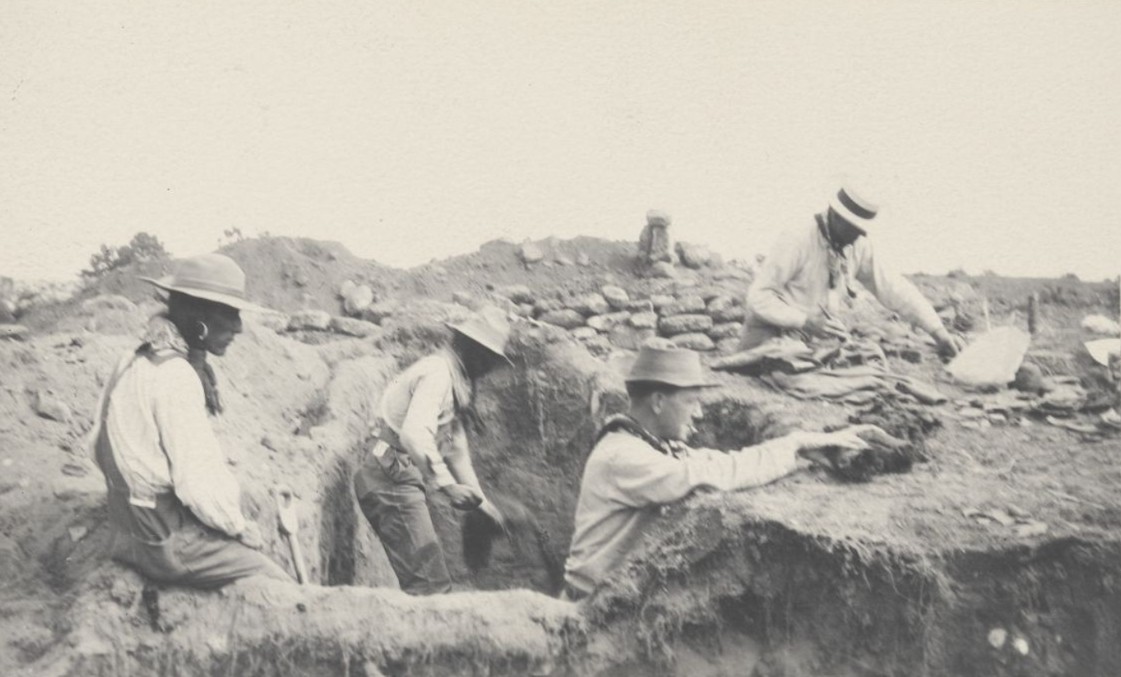 Courtesy photo
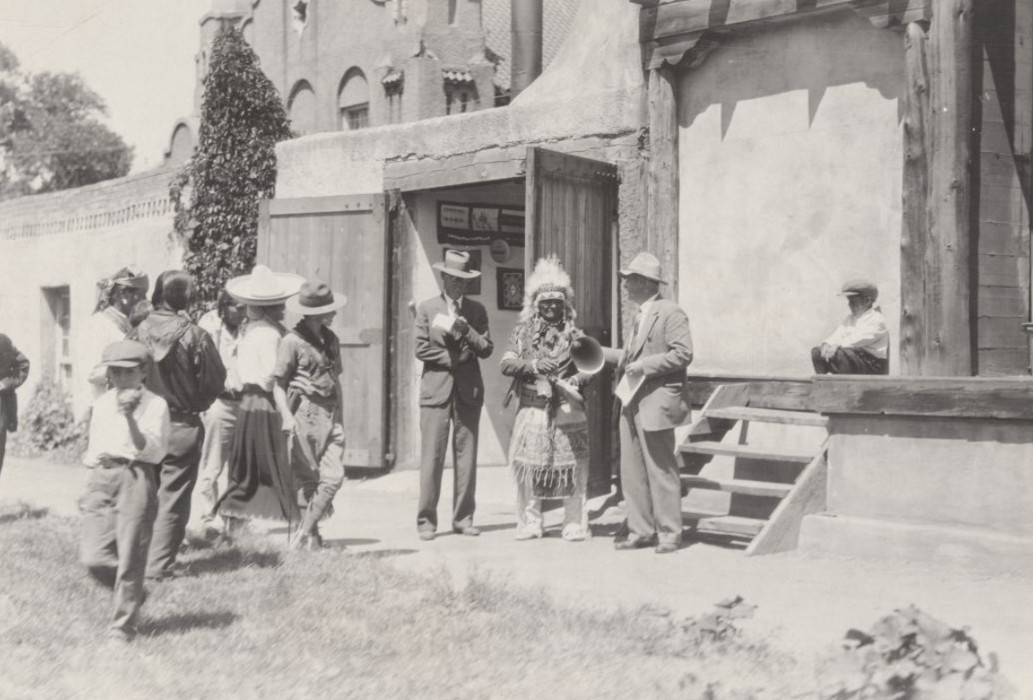 Courtesy photo