
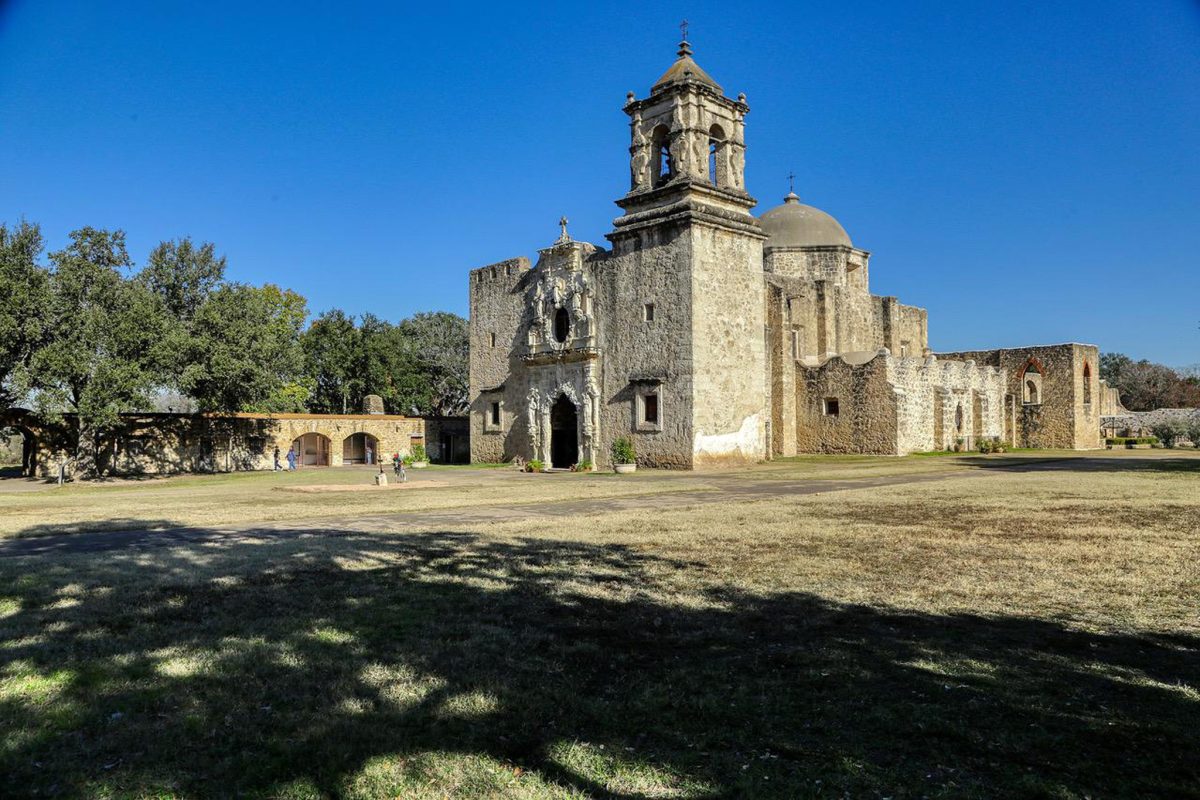
 Mission San Jose: Mission San Jose is the largest of the San Antonio Missions and known as the ‘Queen of the Missions’ in San Antonio, Texas. Photo by Gary Warren/ladailypost.com
 Exterior Entrance: The front entrance to Mission San Jose shows the craftsmanship and detail on the exterior of this magnificent church. Photo by Gary Warren/ladailypost.com
By GARY WARREN
Photographer
Formerly of Los Alamos
The San Antonio Missions play an integral part in the history of San Antonio and the area now known as Texas. These 18th-century missions are the largest group of Spanish Colonial missions in the country.
There are five missions in San Antonio which have been designated as a World Heritage Site by the United Nations Educational, Scientific, and Cultural Organization or UNESCO. The missions are the only UNESCO site in Texas.
Four of the five missions make up the San Antonio Missions National Historic Park and are operated by the U.S. National Park Service. The fifth mission, the Mission San Antonio de Valero, otherwise known as the Alamo, is owned by the state of Texas.
For the purpose of this post, we will concentrate on the four missions that make up the National Historic Park. The missions were constructed in the early and mid-1700s and served three purposes: the defense of the northern territory of New Spain (the area in the Americas under Spanish control), the growth of the Spanish civilization, and the conversion of Native Americans to the Roman Catholic faith.
Each of the missions were small, self-sufficient villages consisting of farms, ranch land for cattle, living quarters, and granaries. The focal point of each mission was the church often accompanied by a cemetery. The missions were constructed of stone and surrounded by a stone wall for protection. Water for each mission was directed from the San Antonio River through a series of acequias servicing each of the missions.
The residents of modern-day San Antonio take immense pride in their history and culture, and it is shown in the missions as you tour the grounds and walk through the buildings today. The missions are spaced about 2-3 miles apart and all run along the San Antonio River. The northern most mission is Mission San Antonio de Valero, the Alamo, which is located in modern downtown San Antonio. As noted above, it is not a part of the Historic National Park. In order from north to south following the Alamo are Mission Concepcion, Mission San Jose, Mission San Juan, and Mission Espada at the southern end of the mission trail.
Mission Concepcion is the oldest unrestored stone church in America. Today, the church looks just like it did in the 1700s except the colorful designs on the exterior of the church have worn off or faded long ago. There are interior rooms where the art is still visible 250 years later.
Mission San Jose is the largest of the San Antonio Missions and the church at San Jose is magnificent. San Jose became known as the “Queen of the Missions” and was the center for social and religious gatherings. However, the mission fell into disrepair or ruin after years of use and required reconstruction or stabilization. The San Antonio Conservation Society and the U.S. Works Progress Administration (WPA) remodeled and reconstructed the mission as you see it today. A National Park Visitors Center and museum is located on the site of Mission San Jose today.
Mission San Juan is the next mission as we move southward along the mission trail in San Antonio. Mission San Juan was known for its fertile land and plentiful crops which helped other missions as well. The mission also owned thousands of head of cattle and sheep on a ranch farther south beyond the San Antonio area. The church at San Juan was replastered in 1984 and major stabilization was done to the building in 2012.
Mission Espada is the southern end of the San Antonio mission trail. Mission Espada is the only San Antonio mission where bricks and tiles were made for use in the missions. The Spanish also taught the Native Americans in the mission the art of blacksmithing, weaving, and other techniques of farming and ranching.
All of the San Antonio Missions were successful in blending the Spanish and Native American lifestyles and cultures in what is now known as San Antonio. The missions within the National Historic Park are still active Catholic Churches today.
It is great that the National Historic Park ensures that these historic treasures will be maintained and preserved for generations to come.
Today, the city of San Antonio has made the access to all of the San Antonio Missions an easy and enjoyable tour with the San Antonio Riverwalk extending from downtown through the missions along mission trail. Visitors can drive from site to site, or they can hike or ride bicycles along the riverwalk to all of the missions. There is no charge to visit the missions but a wealth of history and information on the culture of the early days in San Antonio is available for visitors.
Editor’s note: Longtime Los Alamos photographer Gary Warren and his wife Marilyn are traveling around the country, and he shares his photographs, which appear in the “Posts from the Road” series published in the Sunday edition of the Los Alamos Daily Post.
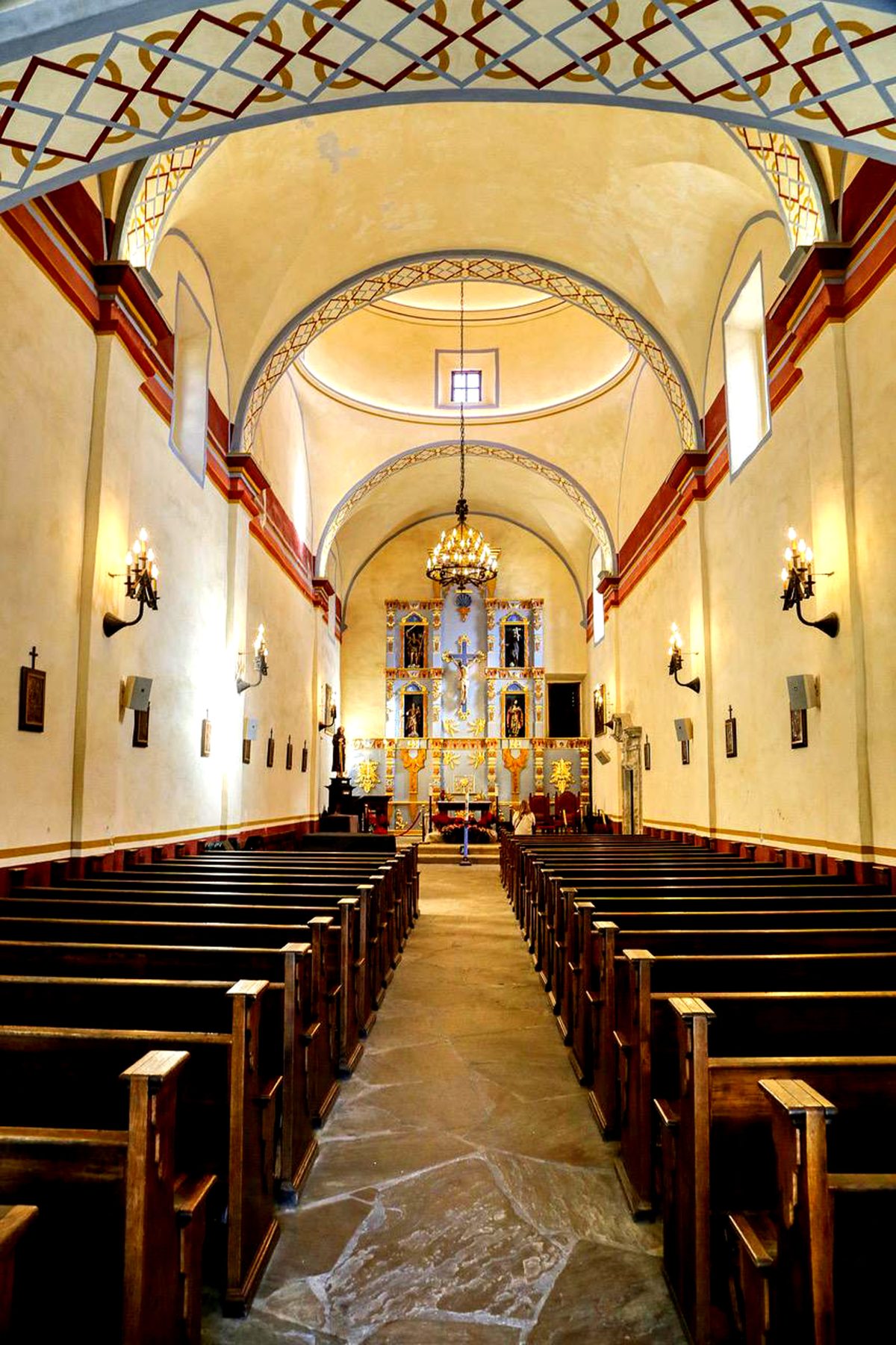 San Jose Interior: A view of the interior of the San Jose Mission church is seen from the entrance area. The painted details accentuate the interior of this beautiful structure. Photo by Gary Warren/ladailypost.com
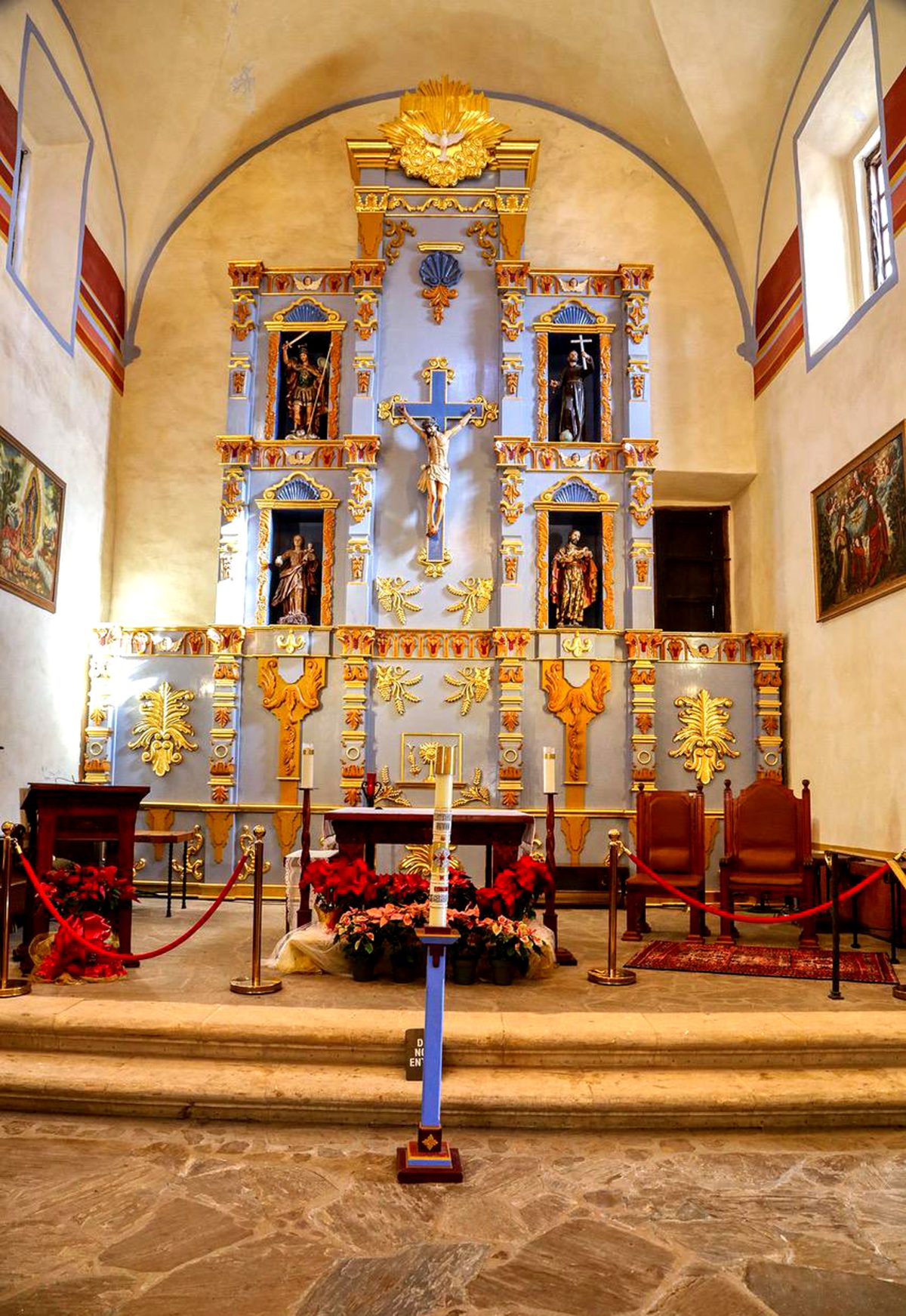 San Jose Interior Close Up: A closer view of the interior of the San Jose Mission church shows its detail and beauty. Photo by Gary Warren/ladailypost.com
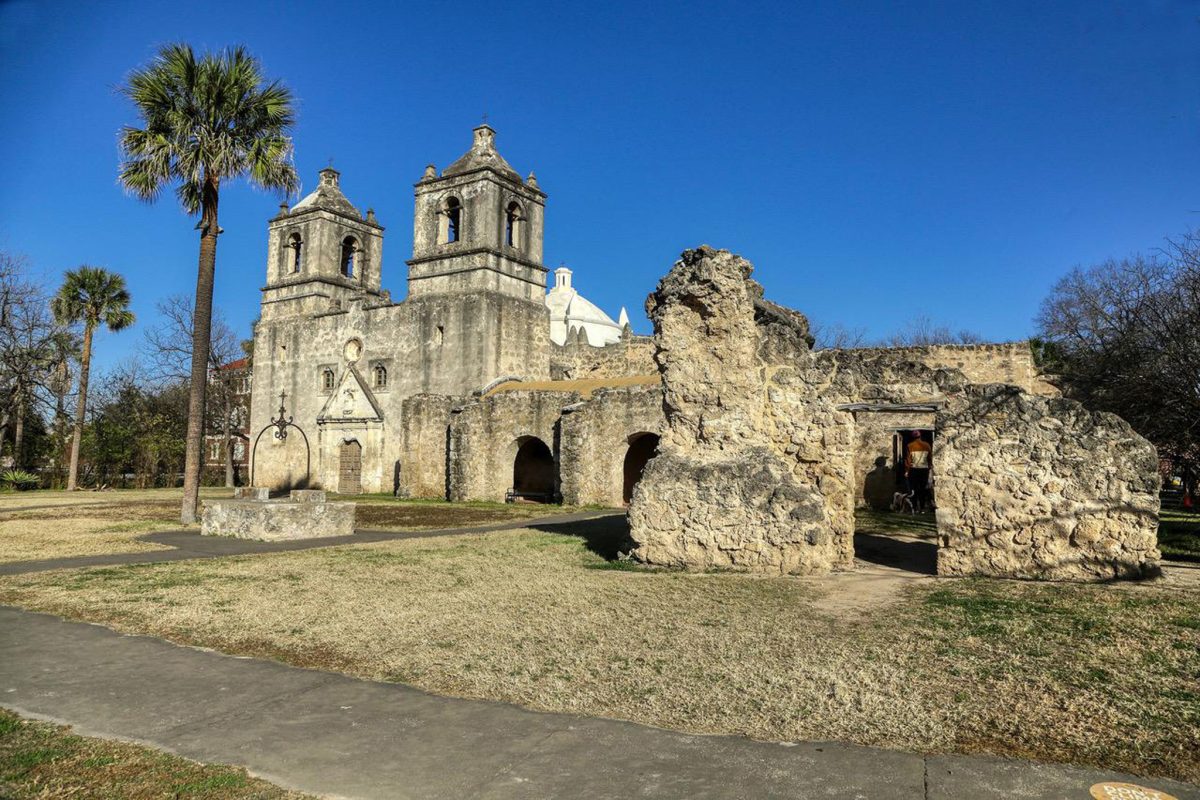 Mission Concepcion: The exterior of the Mission Concepcion appears today very much as it did over 200 years ago. This mission is the oldest unrestored stone mission in the United States. It did have paintings on the exterior, which have worn off or faded through the years, but paintings still remain on interior walls. Photo by Gary Warren/ladailypost.com
 Mission Concepcion Interior: The interior of the Mission Concepcion church is simple but beautiful in its design and features. Photo by Gary Warren/ladailypost.com
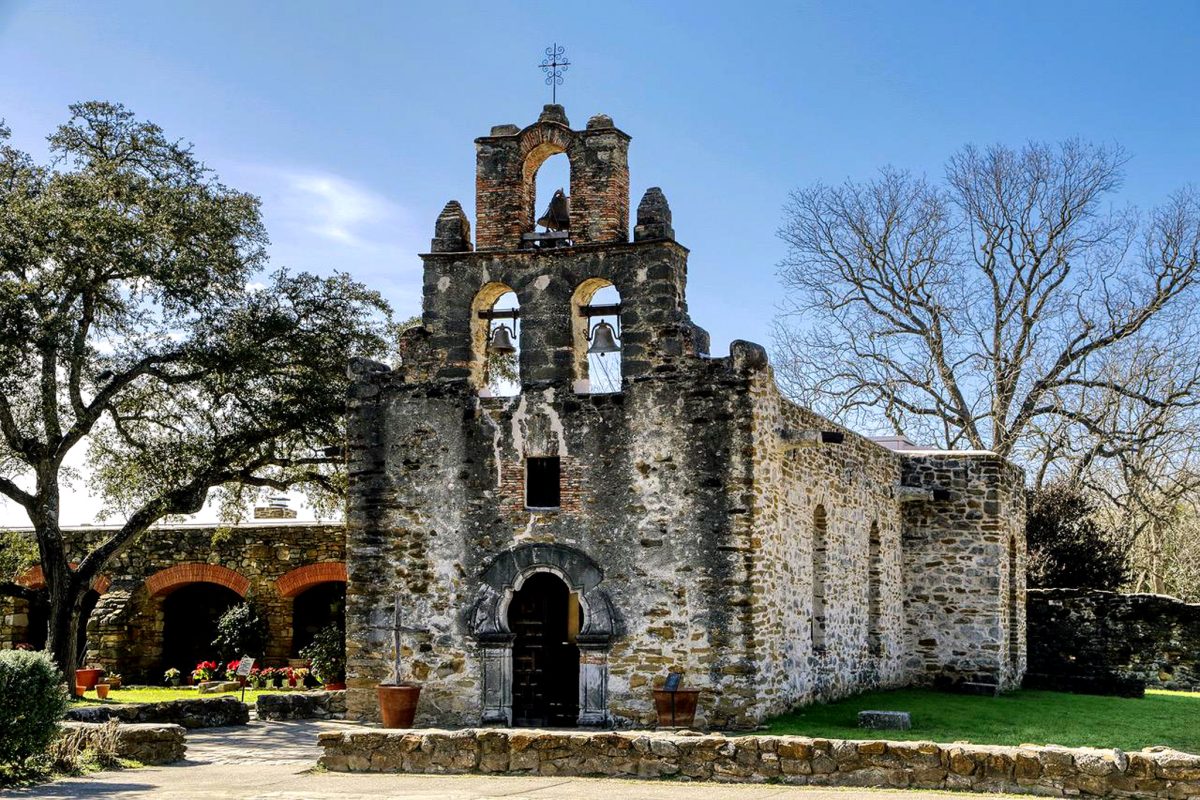 Mission Espada: Mission Espada is the mission on the southern end of the mission trail in San Antonio. It is smaller in size but just as impressive as the other missions. The church was built in the 1740s and the bell tower was added about 1780. Photo by Gary Warren/ladailypost.com
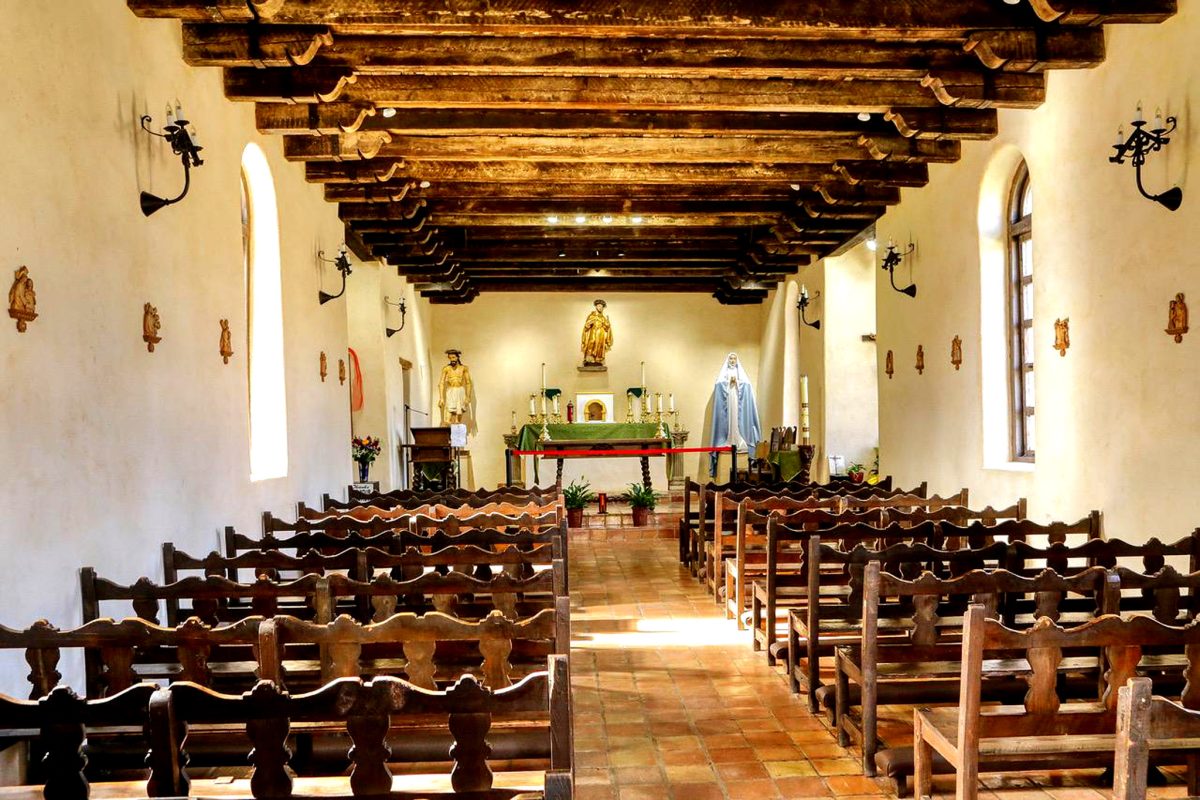 Mission Espada Interior: The Mission Espada church interior is simple but beautiful. The Spanish design is seen throughout the buildings and grounds at Mission Espada. Photo by Gary Warren/ladailypost.com
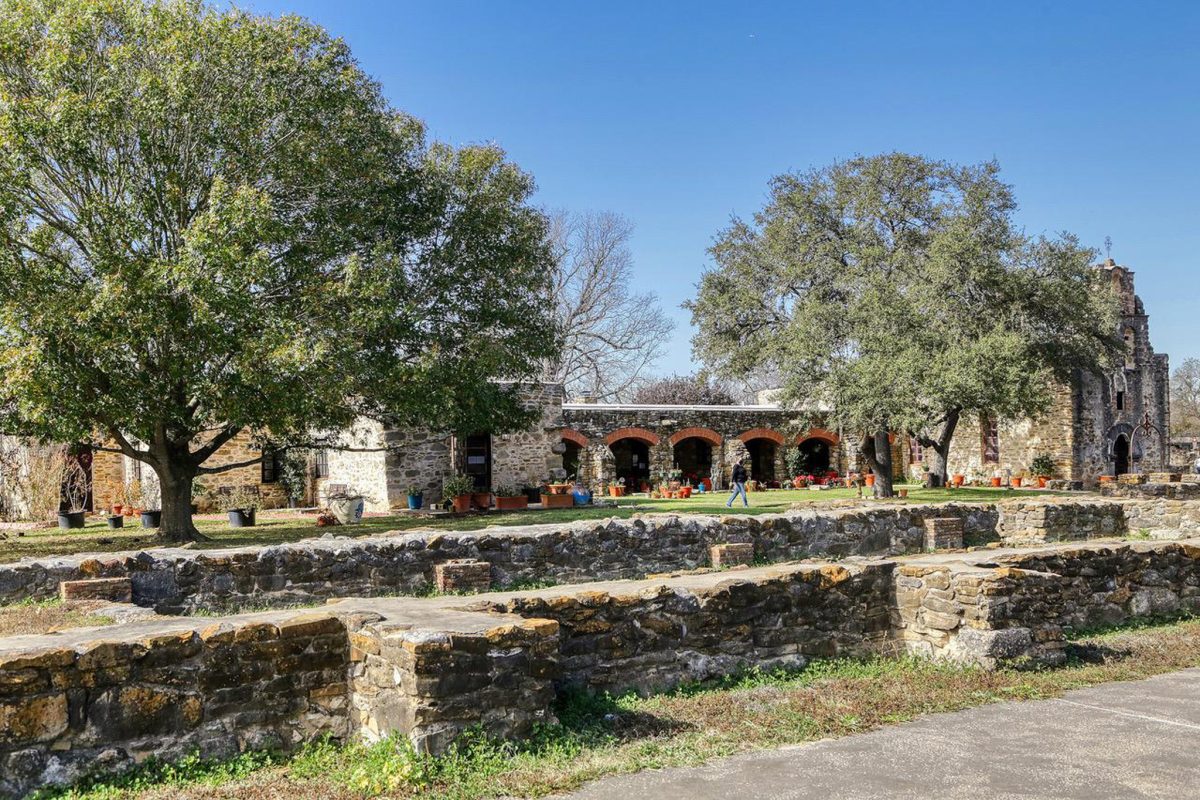 Mission Espada Grounds: The grounds at the Mission Espada were beautiful on the January day when we visited this year. Shown are ruins of a portion of the mission structure with the church and other facilities in the background. Photo by Gary Warren/ladailypost.com
 Mission San Juan: Mission San Juan church was replastered in 1984 and stabilization work was done in 2012. Mission San Juan was known for its ability to produce fruits and vegetables in the early days and the mission also had thousands of head of sheep and cattle on a ranch south of San Antonio. Photo by Gary Warren/ladailypost.com
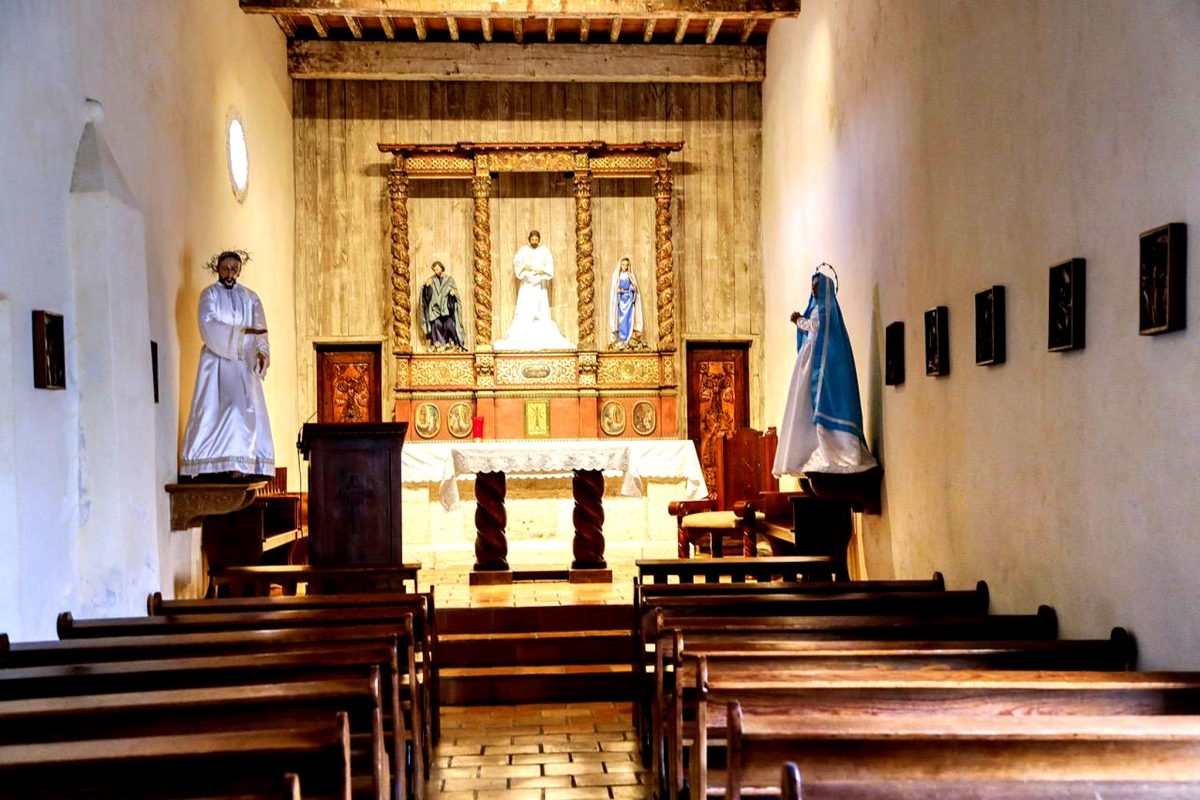 San Juan Interior: The interior of the church at Mission San Juan is simple and small but just as impressive as the other San Antonio Missions. Photo by Gary Warren/ladailypost.com