
 Giraffes: Four giraffes gaze in different directions as they check out their surroundings at the San Diego Zoo Safari Park near Escondido, Calif. There were four other giraffes in the herd nearby. Photo by Gary Warren/ladailypost.com
 Rhinos: Three rhinos spend a part of their afternoon next to a muddy pond at the San Diego Zoo Safari Park. The animals are living in a free range enclosure at the park. This enclosure is the largest enclosure in the park. (one rhino is on the ground behind the rhino on the left). Photo by Gary Warren/ladailypost.com
By GARY WARREN
Photographer
Formerly of Los Alamos
How would you like to go on a safari and see exotic wildlife without leaving the U.S.? The San Diego Zoo Safari Park offers visitors the opportunity to see wild and exotic animals in a setting similar to their native home. It’s like going on an African safari without leaving the country!
While on our recent visit to San Diego we visited the San Diego Zoo Safari Park. Our time was limited but on our last day in the area we decided to visit the San Diego Zoo Safari Park.
The Safari Park is not in San Diego but near Escondido, Calif. which is about 33 miles north of the San Diego Zoo in Balboa Park near downtown Sa Diego.
The San Diego Zoo Safari Park is an 1,800 acre park in the San Pasqual Valley in a rural area of San Diego County. The park is home to over 3,500 animals including many endangered species.
Many of the animals live in free range enclosure. These areas are contained by walls and fences but are large enough to enable the animals to roam in a more natural environment.
The opportunity to go on a safari to view the wildlife in a natural setting is included in the price of admission. The African Tram takes visitors through the free range enclosure that includes many exotic animals. For an additional charge, the park offers a variety of safaris in smaller vehicles that allow visitors a closer view of the animals.
In addition to the safari through the area, visitors can also walk to a lookout area that overlooks the rolling hills and plains where many of the animals are located.
We spent the majority of our time in this area during our visit in February. We loved every minute of the time spent watching the animals as they moved about in the wide open spaces. However, there are some things that we learned that we will do differently when we return to the area next winter.
The number one thing that we would change is we should get there early as soon as the park opens. On this trip, we did not arrive until late morning and the crowds had already arrived which meant waiting in long lines for the African Tram safari.
The second thing that we will do differently is we will pack our lunch and some snacks. There are several choices for lunch in the park. The food we had was not bad but we were again waiting in line and paying a premium price for an OK lunch. It is fine to pack a lunch and bring it to the park which would save time and money.
We saw a large portion of the park but we missed out on some exhibits. This is a huge park and exhibits are scattered about which means a lot of walking. We did not allow enough time (or energy) to cover the entire park.
Perhaps next year we may purchase a two day pass for the Safari Park.
The San Diego Zoo near downtown San Diego and the San Diego Zoo Safari Park are both excellent, top rated attractions when visiting the area. We personally enjoyed the Safari Park the most and we anxiously look forward to returning next winter. For others, the zoo in town may be a better fit since it is smaller and the exhibits are closer together.
My recommendation would be to visit each of the parks and decide for yourself. You will not be disappointed as these are magnificent parks.
Editor’s note: Longtime Los Alamos photographer Gary Warren and his wife Marilyn are traveling around the country, and he shares his photographs, which appear in the “Posts from the Road” series published in the Sunday edition of the Los Alamos Daily Post.
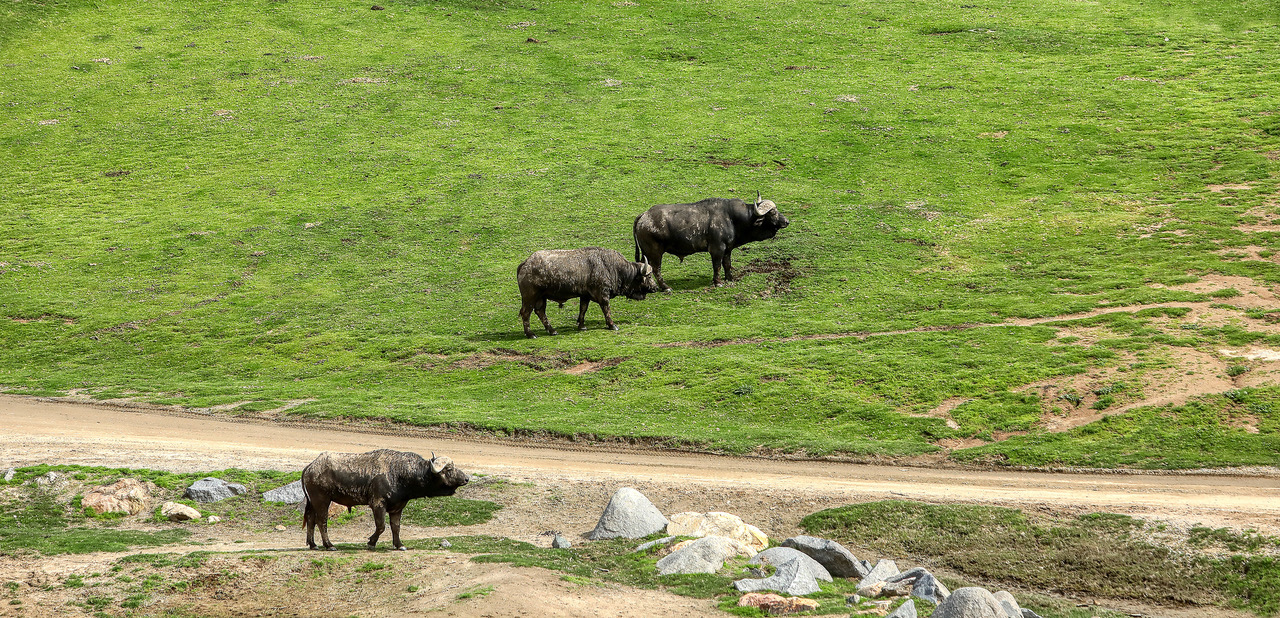 Cape Buffalo: Three Cape Buffalo walk slowly through the grassy rolling hills in the African enclosure at the Safari Park. The enclosure is about 300 acres which allows the animals to roam freely within the boundaries of the enclosure. Photo by Gary Warren/ladailypost.com
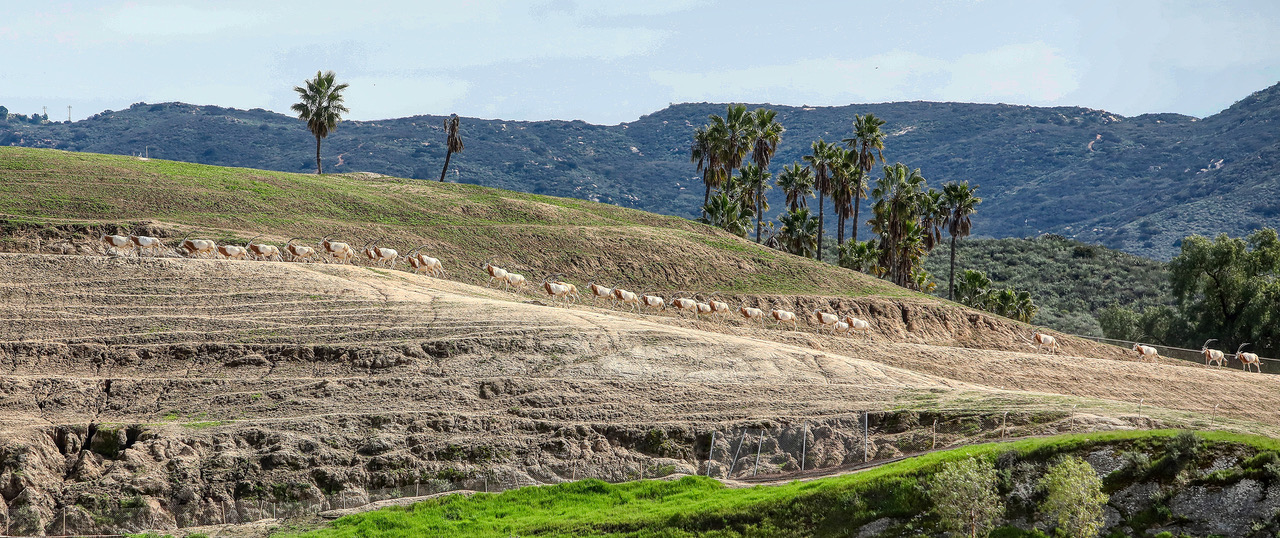 Oryx: As we were watching the animals closer to our viewpoint, a herd of dozens of Oryx crossed a ridge in the distance. The oryx crossed the ridge and disappeared out of sight. Photo by Gary Warren/ladailypost.com
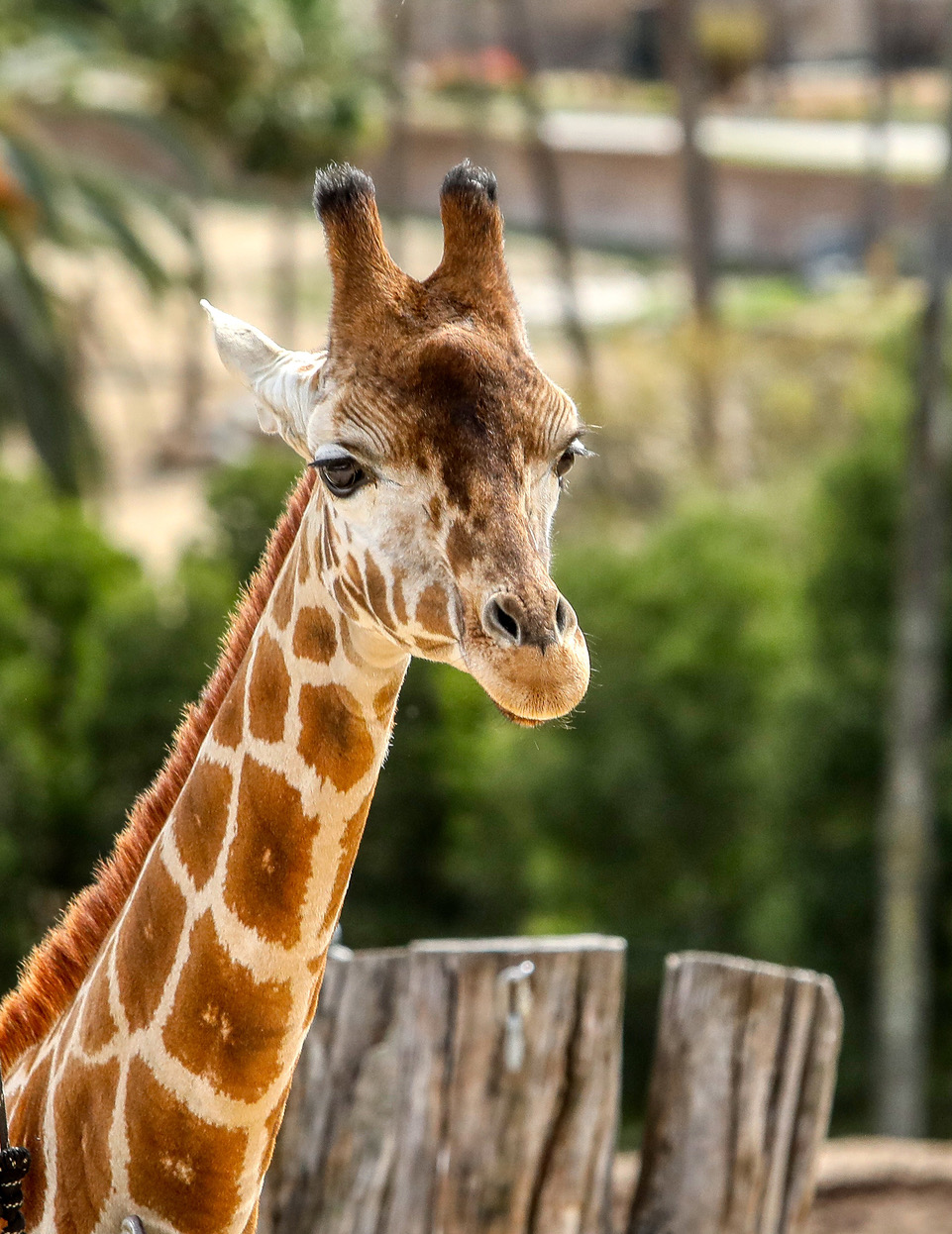 Up Close: A giraffe glanced in the direction of the camera after eating some small tree branches. The up close view gives a different perspective of the giant animals. The male giraffe will grow to 16-18 feet tall and the female giraffe will reach 14-16 feet tall. Photo by Gary Warren/ladailypost.com
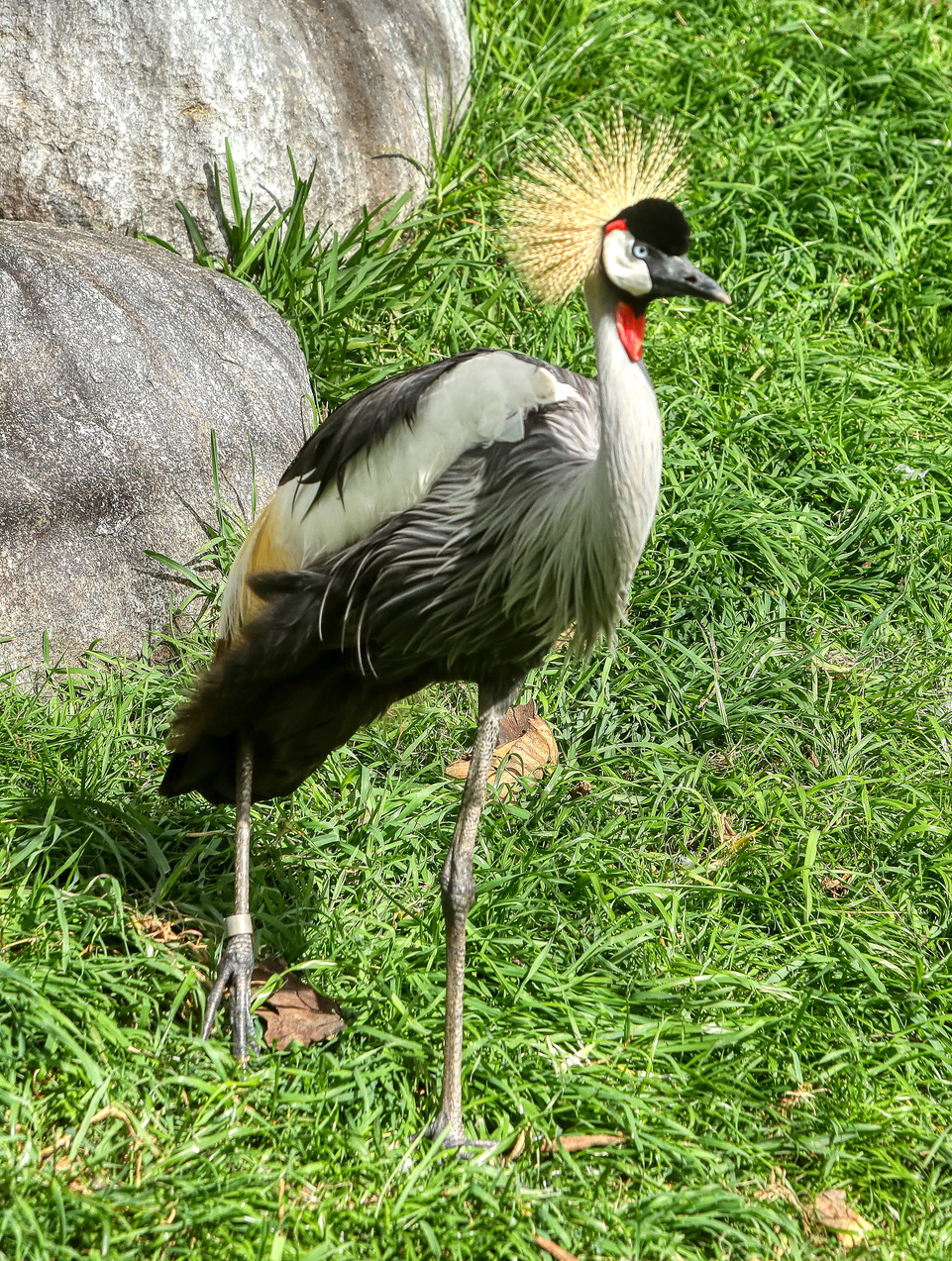 Black Crowned Crane: A West African Black Crowned Crane moves about and nibbles on the grass at the San Diego Zoo Safari Park. The crane lives in the Sahel and Sudan regions of Africa and can be found in grass lands and shallow wetlands and marshes. Photo by Gary Warren/ladailypost.com
 Flamingos: A ‘flamboyance’ of flamingos gathered around a pond at the Safari Park. The beautiful pink birds were in and out of the water during our visit to their area at the park. I find it interesting that these birds stand on only one leg! Photo by Gary Warren/ladailypost.com
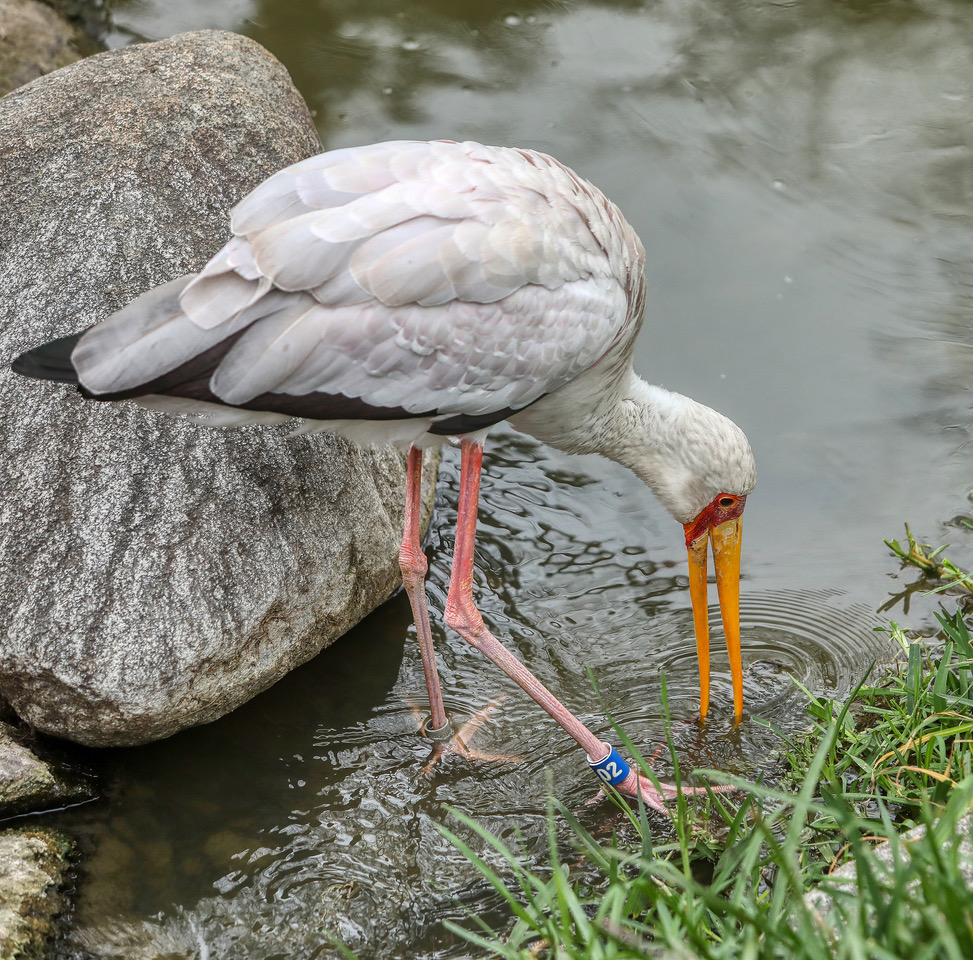 Yellow Billed Stork: A Yellow Billed Stork looks for a bite to eat as he stands in the shallow waters of a pond at the San Diego Zoo Safari Park. Many species of birds from around the world are housed at the Safari Park. Photo by Gary Warren/ladailypost.com
 Nap Time: A Yellow Billed Stork appears to be taking a nap while standing in a grassy area of the Safari Park. I found the positioning of the bird very comical. Photo by Gary Warren/ladailypost.com