
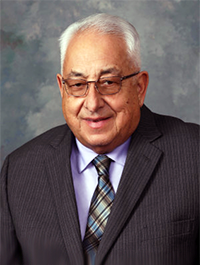
 By Sen. Bobby Gonzales, D-Los Alamos
New Mexico District 6
In northern New Mexico, wildfire is not an abstract threat—it is something we have lived through, endured, and are still recovering from.
Communities across Taos, Mora, San Miguel, and Colfax counties know this all too well. The Hermits Peak–Calf Canyon Fire burned hundreds of thousands of acres, displaced families, damaged acequias, destroyed grazing lands, and forever altered watersheds that our villages and pueblos rely on. The scars remain visible today—not just on the land, but in the lives of the people who depend on it.
Our communities’ lived experience makes one truth unmistakably clear: earlier detection and faster response matter. Minutes can mean the difference between a manageable fire and a generational disaster.
That is why I strongly support legislative funding for a statewide wildfire detection camera network, as unanimously recommended by the Wildfire Study Group created under Senate Memorial 2 (2025).
This recommendation came from fire professionals and land managers who understand New Mexico’s terrain and climate. They know that many of our northern communities sit squarely in the wildland–urban interface (WUI), where forests, homes, ranches, and cultural sites exist side by side. These are the areas where wildfire risk is highest and where early warning is most critical.
Currently, the Division of Forestry has 11 wildfire early detection camera stations, largely centered around Santa Fe and Albuquerque. Those stations have already proven their effectiveness by detecting fires earlier, automatically notifying dispatch and fire agencies, and giving firefighters the real-time visual intelligence needed to keep incidents small. But vast portions of northern New Mexico remain uncovered despite being among the most fire-prone regions in the state.
New Mexico’s Energy, Minerals, & Natural Resources Department (EMNRD) has requested a special appropriation to change that.
It would fund 45–55 stations statewide, with locations developed at the direction of the Division of Forestry to prioritize high-risk WUI communities. That includes the same kinds of rural villages and mountain communities that were devastated in recent years.
Combined with private-sector deployments announced by two New Mexico utilities, this funding would fill out a statewide public-private wildfire detection network covering all 100 of New Mexico’s highest-risk communities identified on EMNRD’s Community Mitigation Map.
For northern New Mexico, improving wildfire response is about protecting more than structures. It is about safeguarding watersheds that feed our acequias, grazing lands that sustain family ranches, forests that prevent erosion and flooding, and cultural landscapes that define who we are.
We cannot undo the fires of the past, but we can act on the lessons learned from them by investing in tools that will help better protect our communities from the threat of wildfire, which is only increasing.
This is smart, responsible stewardship, and northern New Mexico knows exactly why it matters.