
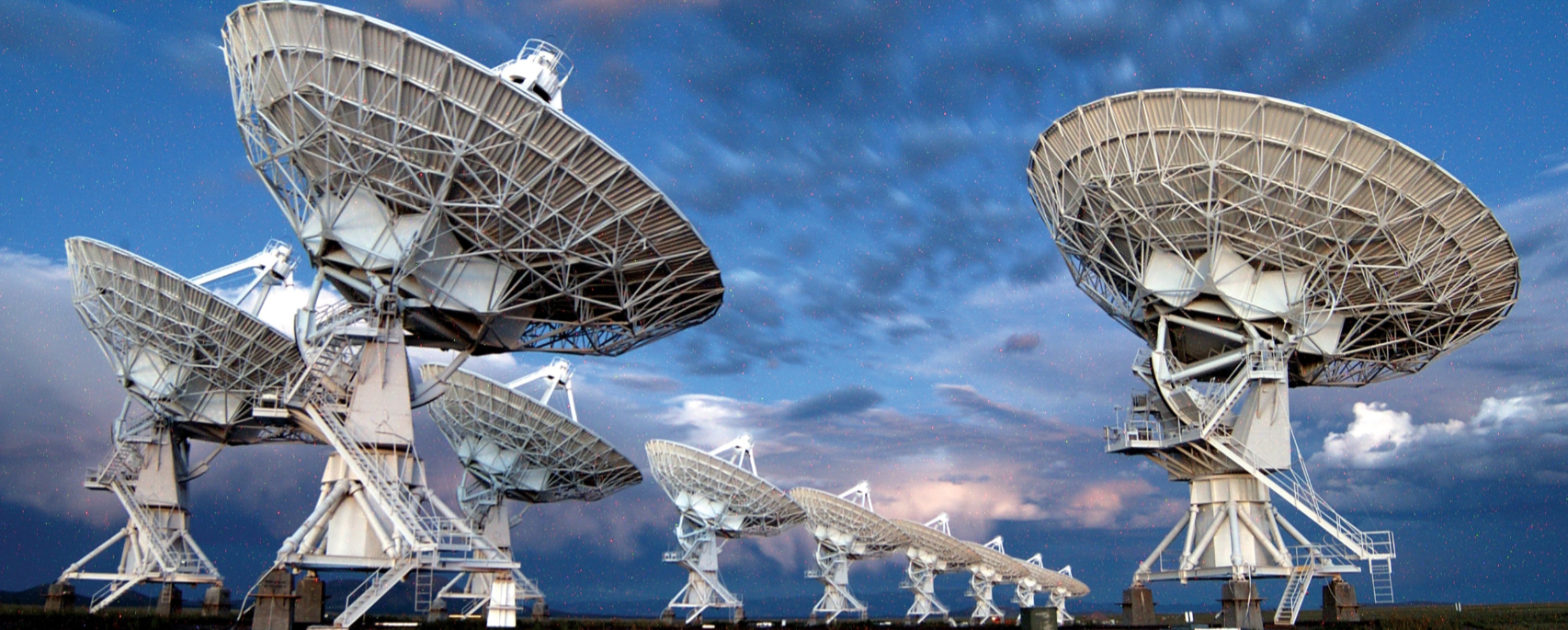
 Figure 1. Twenty seven huge antennae are mounted on rails, and a network of remote radiotelescopes is woven together to probe the skies. Courtesy/NRAO
By Mark A. MacInnes
Los Alamos Daily Post
World-Class Radio-Astronomy
For more than four decades, the radiotelescope dishes of the New Mexico Very Large Array (VLA) have stood on the plains of San Agustin, as New Mexico’s most recognizable and world-class scientific landmark. At an evening town hall on April 15 at the Bradbury Science Museum, this was the introductory pitch, according to the National Radio Astronomy Observatory (NRAO) Director Dr. Anthony Beasley. His message: NRAO and NSF want to maintain world-class U.S. leadership in radio astronomy for the next generation.
Drs. Tony Beasley and Trish Henning (both of the NRAO, New Mexico) outlined plans for the Next Generation Very Large Array (ngVLA), a 263 dish system that would actually replace the VLA with a unified, continent-spanning complex of new dishes across America and into Mexico, but centered at the existing VLA near Socorro. The array’s new locations, arranged in a vast geographic spiral geometry, provide optimal spacing while enabling high-fidelity imaging of the radio sky. The old dishes (figure 1) would be removed and recycled (before they fall down!).
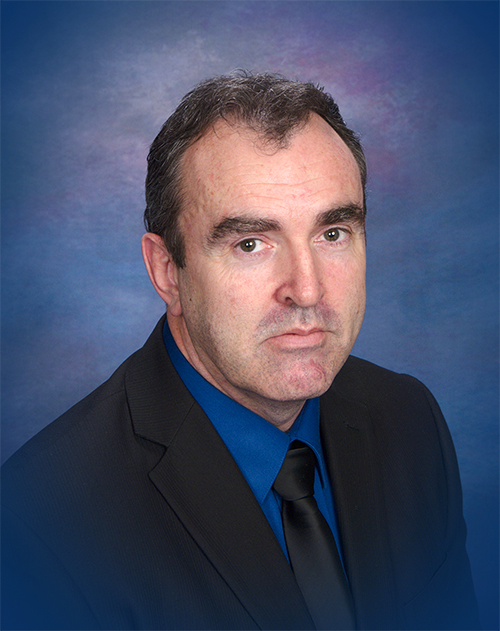 NRAO-NM Director Dr. Anthony Beasley
Science Drivers
The instrument is designed to operate in a key mid-frequency range, bridging the gap between other facilities such as ALMA (in Chile) and the Square Kilometer Array (SKA, planned for South Africa and Australia).
Together, these observatories form a complementary system covering the entire usable radio spectrum from Earth.
With new technology, the ngVLBA is aiming at answering two fundamental scientific questions: how ‘terrestrial-type’ planets form, and how black holes shaped the evolution of galaxies.
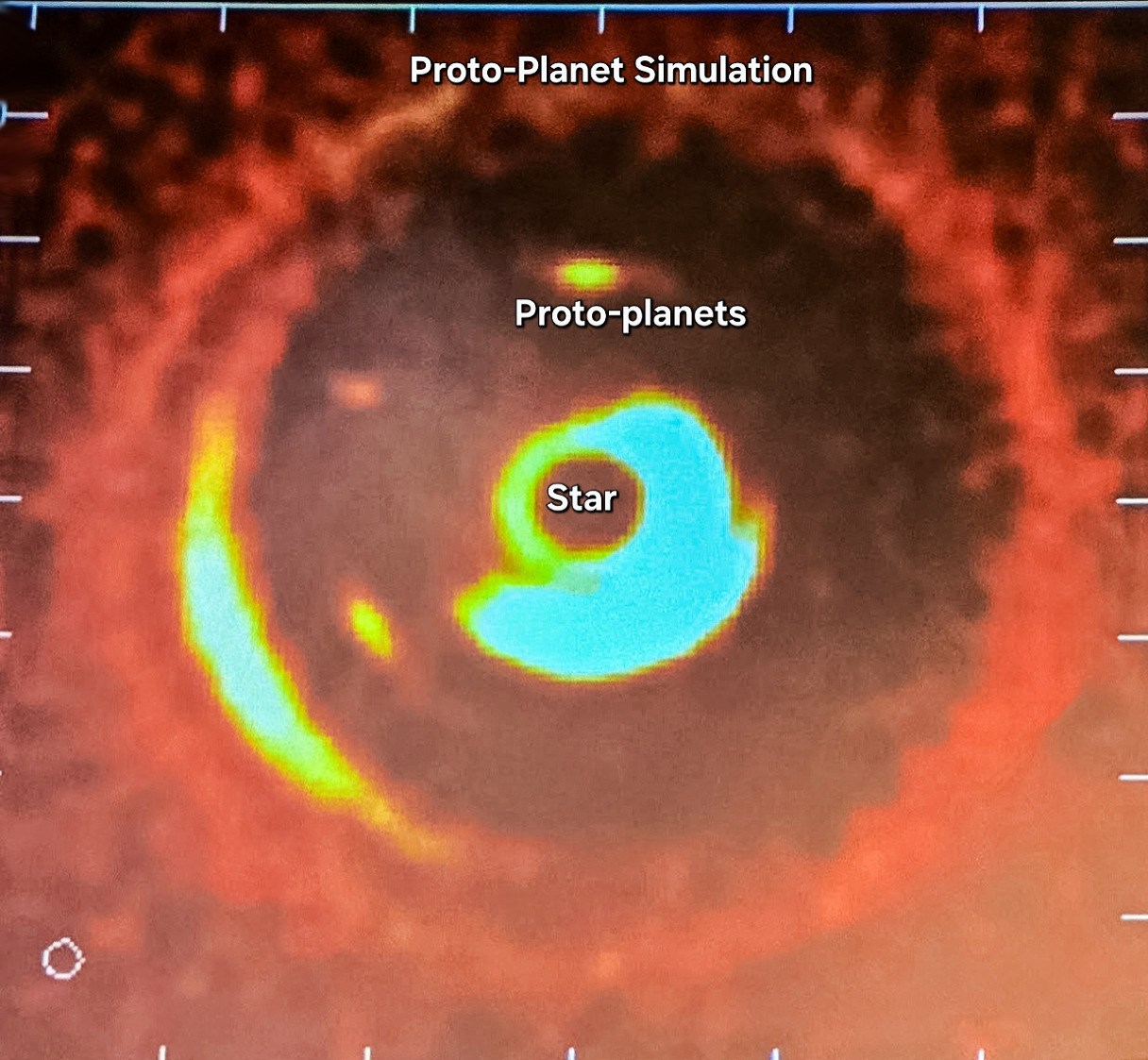 Rings and gaps in a forming planetary system reveal early stages of planet formation within a young star’s gravity disk. Courtesy/NRAO
Beasley emphasized that the new array will resolve details of the “terrestrial planet zone” or regions comparable to Earth’s orbit, while probing the dynamics of black holes in our own and in other galaxies. At galactic distances, planet formation and black holes are extremely hard-to-resolve structures that the unprecedented resolution of the ngVLBA will be able to probe.
Black holes (often formed from many collapsed stars and dust) are equally intriguing. They formed mysteriously from nearly the dawn of the universe, 13 billion years ago, and have driven galaxy evolution ever since. These black holes are so remote in space-time that the ngVLA’s resolution will be necessary to tease out details of their origins.
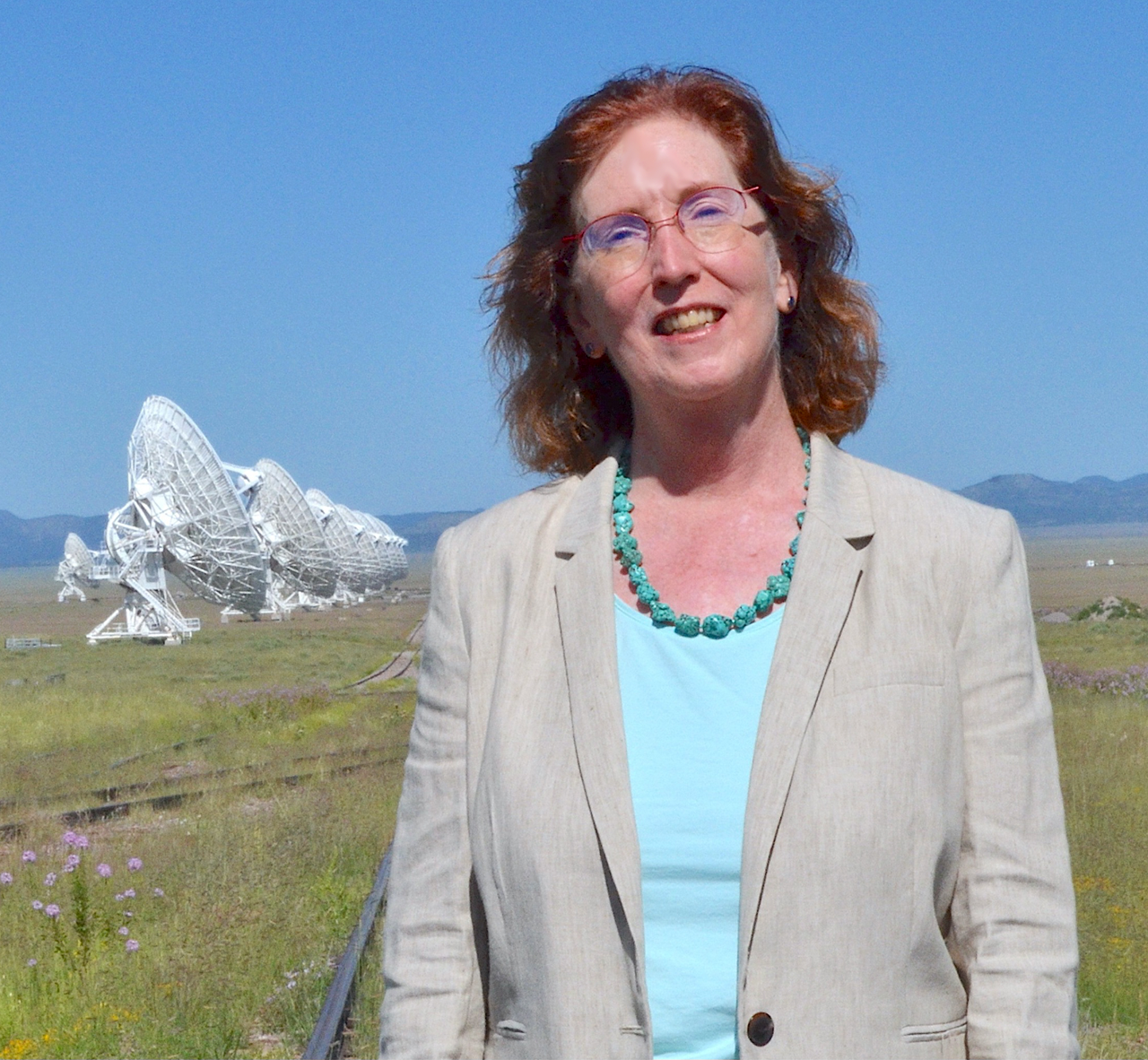 NRAO-NM Director of Special Projects Dr. Trish Henning is spearheading the Special Nexgen Learning Center Project and still conducting scientific work. Courtesy/NRAO
Education And Workforce Development
The vision for ngVLA extends beyond science into education and economic development. Dr. Trish Henning described a proposed Next Generation Learning Center designed to reach every K–12 student in New Mexico.
“We want every student in New Mexico to experience this place at some point in their education,” Henning said.
In the tradition of hands-on exhibits, student presented projects, and a video simulation center, students will be able to jump into learning about next-generation astronomy of the 2040s and beyond.
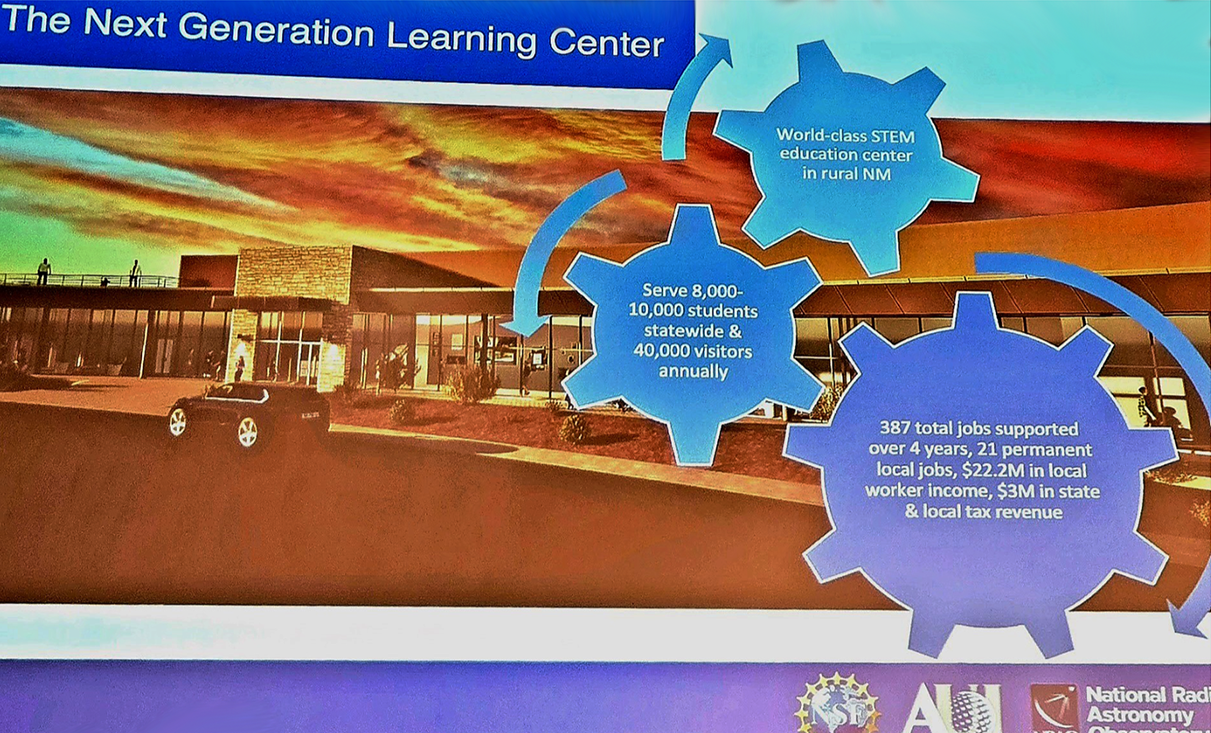 A proposed statewide educational hub designed to connect students with astronomy, imaging, engineering, and advanced data science. Courtesy/NRAO
Dr. Henning also pointed out that the ngVLBA project is expected to double the VLA’s full-time radio astronomy workforce across the state, creating opportunities in engineering, data science, and the skilled trades.
“This is a multi-billion-dollar project, and much of that investment will stay right here in New Mexico,” Dr. Henning said
With expanded operations in Socorro, Magdalena, and Albuquerque, the ngVLA positions New Mexico as a long-term center of scientific and technical innovation in astronomy.
The Contested Sky
But the future of radio astronomy will not unfold in a quiet sky. Audience members raised concerns about large constellations of communication satellites and their impact on observations. Beasley acknowledged that interference from space-based sources already accounts for roughly 30 percent of the unwanted signals.
“The answer is yes—it’s a concern. But we are working the problem,” Beasley said.
One solution he offered is satellite-to-ground coordination. Through operational data sharing, telescope operators and satellite providers can temporarily interrupt transmissions as satellites pass through a radio telescope’s narrow field of view, a process that lasts only a few seconds. This marks a significant shift. Astronomy is no longer conducted in isolation from human space technology, but in active coordination with it.
The Vision
The ngVLA is in the design and prototyping phase, with full-scale construction potentially beginning early in the 2030s and operations extending over another 20-year lifecycle. Dr. Beasley emphasized a pragmatic approach to future expansion. He defended the premise that ground-based arrays remain the most feasible path forward for the next generation.
The ngVLA represents more than a new batch of telescopes. It reflects a broader transition in how science is conducted—combining advanced instrumentation, global collaboration, and increasingly sophisticated, AI-augmented data analysis. A complementary Learning Center is hoped to capture students’ imaginations, as visiting the current very large array does for a few visitors able to access its remote location.