
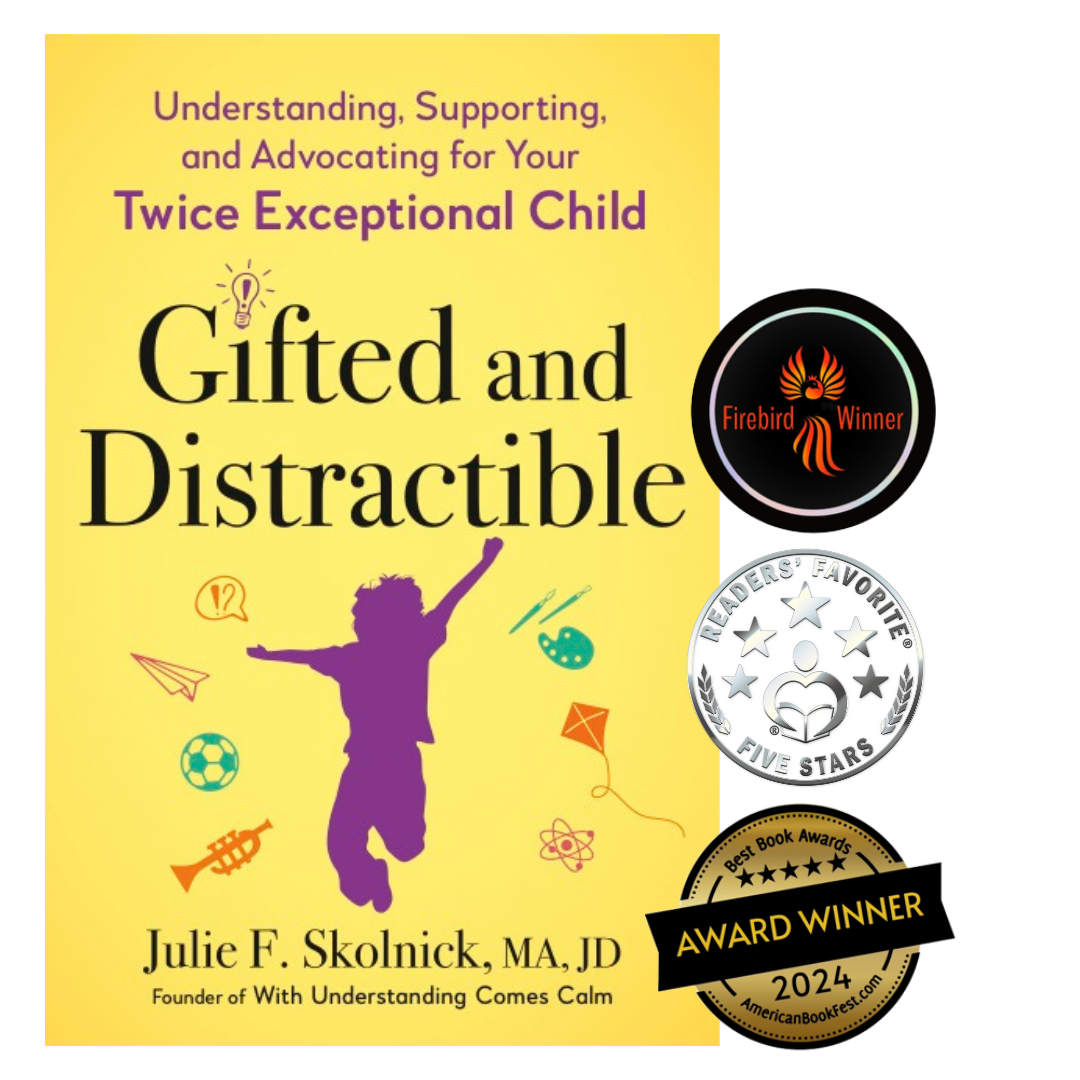
 Julie Skolnick’s award-winning book ‘Gifted and Distractible’ offers compassionate guidance and durable strategies for the twice-exceptional (2e) community. Courtesy photo
By MARLENE WILDEN
Los Alamos Daily Post
marlene@ladailypost.com
In Los Alamos, where brilliance and curiosity are part of the community DNA, children who are both gifted and neurodivergent find rare understanding. However, their strengths and struggles can be easy to miss. A learning disability can obscure remarkable aptitude, while accelerated abilities can hide challenges that need support.
Recognizing this dynamic, Los Alamos Public Schools has, over the years, quietly built one of New Mexico’s strongest programs for twice-exceptional learners—students who are gifted and also live with conditions such as ADHD, autism, dyslexia, or sensory processing disorders. The district stands out not only for its numbers but for how it treats being unique as a strength to be understood, not a label to manage.
That commitment shows in the data. About 28% of sixth graders are identified as gifted—a figure that peaks in Los Alamos before students transition into secondary programs offering advanced coursework and enrichment options. In most districts where screening occurs, gifted identification rates are typically higher than average but rarely exceed 12% to 13%, according to the National Association for Gifted Children.
Nationwide, it is difficult to know exactly how many students are twice-exceptional because many go unrecognized. Experts estimate 7% to 10% of gifted students also have a 504 plan, which provides accommodations for students with disabilities, or an Individualized Education Program (IEP) for a learning difference. In Los Alamos, about 10% of gifted students are dual-identified, consistent with national trends.
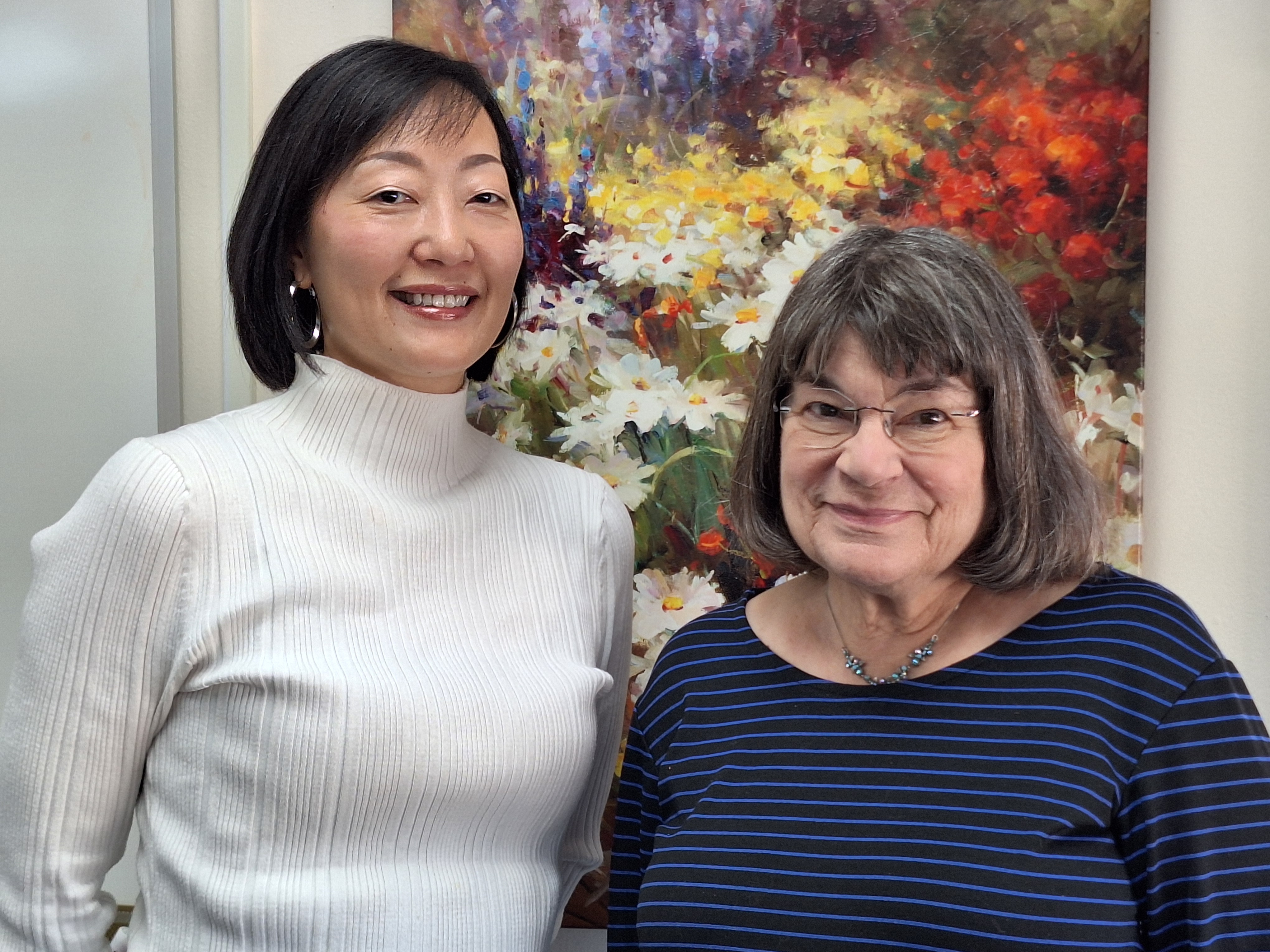 From left, Kayoko Nettleton, LAPS assistant coordinator of student services and specialist in gifted education, with Karla Crane, coordinator of student services for LAPS and a 45-year veteran overseeing special education. Courtesy photo
“For a gifted program, our numbers are remarkable,” said Karla Crane, the district’s coordinator of student services. “It’s not just that we identify giftedness early—we recognize complexity, too. These are bright kids who sometimes struggle to demonstrate what they know.”
Seeing the Whole Child
That philosophy resonates with Julie Skolnick, author of “Gifted and Distractible: Understanding, Supporting, and Advocating for Your Twice Exceptional Child.” In September, her book received its third award, the 2025 Readers’ Favorite Silver Medal for nonfiction education, and is used by educators and parents seeking ways to support twice-exceptional learners.
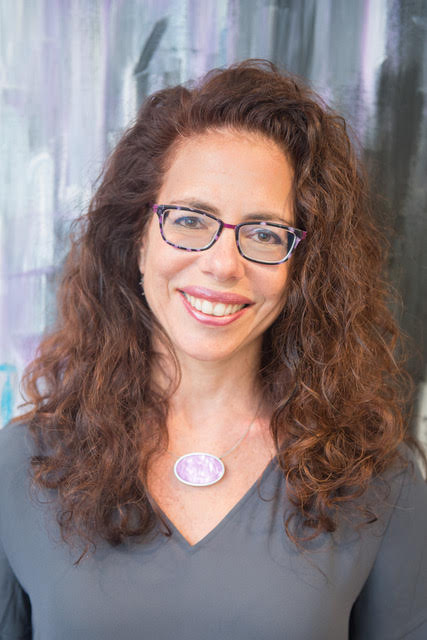
Author Julie Skolnick, founder of With Understanding Comes Calm. Courtesy photo
Working with schools and families across the country, Skolnick said the biggest misconception about twice-exceptional students is that giftedness inherently makes life smoother.
“People assume gifted kids are easier to raise or teach,” Skolnick said. “But giftedness isn’t just intellect. These kids are deep thinkers, can be emotionally intense and are often misunderstood. They ask big questions about life, fairness and justice from an early age.”
Skolnick often introduces teachers to a concept called “overexcitabilities,” five domains that help explain twice-exceptional traits—intellectual, emotional, imaginational, sensory and psychomotor.
“When a child seems distracted or overly sensitive, it’s usually communication,” she said. “A student who moves constantly may not be hyper; they may need to move to think. A child who bursts into tears may not be overreacting—they’re feeling everything tenfold.”
The approach at Los Alamos Public Schools echoes Skolnick’s thinking. Gifted individualized education plans in the district include goals not only for academic enrichment but also for self-awareness, organization and emotional regulation.
“They’re very observant people,” said Kayoko Nettleton, assistant coordinator of student services. “It’s about giving them the tools to navigate challenges that come with their strengths.”
A well-thumbed copy of “Gifted and Distractible” sits on Nettleton’s desk, its pages lined with sticky notes. “Julie describes our students wonderfully,” she said.
From Confusion to Connection
For parents, identifying a child as twice-exceptional can be both a relief and a revelation.
“Many kids are labeled lazy or unmotivated before anyone realizes their brains are wired differently,” Skolnick said. “They’re not broken—they just learn differently.”
She explained that expectations, both too high and too low, are often the source of conflict.
“We ‘should’ all over them,” she said with a laugh. “You should be able to do this, you should stop doing that. The truth is, expectations need to match a child’s actual capacity, not someone’s idea of their potential.”
Her six-part P.R.A.I.S.E. paradigm—Personal connection, Reframe, Anticipate, Incentives and choices, Sense of humor, and Exercise—has become a widely shared model.
In Los Alamos, educators embrace this mindset, emphasizing that building trust and strong relationships with students is the foundation for effective learning.
“That relationship and that understanding piece is more important than any academic skill you could provide,” Crane said.
The Science of Belonging
New Mexico’s 2023 mandate for universal gifted screening at third grade made headlines statewide, but for Los Alamos, the shift was seamless.
“We were already screening broadly,” Crane said. “Our program has been in place since the 1980s. Before that, referrals usually came for challenging behaviors—often stemming from asynchronous development, where students’ abilities are uneven across different areas, which can lead to frustration or difficulty in expressing themselves.”
Reflecting on her classroom experience, Nettleton said, “Many students have strong verbal skills but struggle to advocate for themselves. Even with high test scores, they don’t always have the words to explain, ‘I was sick last night or over the weekend; I’m behind in my work.’”
Skolnick calls for “collaboration over correction,” inviting teachers to decode what students’ reactions might reveal. Instead of seeing a student’s eye roll as defiance, she said, consider what’s underneath.
“If a gifted child looks bored or shuts down, it’s often because they don’t know how to start or are afraid to fail,” she said. “You have to look at the trigger beneath the behavior.”
The Los Alamos Difference
Crane said the district stands out for its culture of inquiry and compassion. “A child’s intensity isn’t a problem—it’s data,” she said. “We try to ask, what does this behavior tell us about what they need?”
The approach strikes a chord with parents in science and engineering fields.
“We have a community of adults who think deeply, and we’re seeing that reflected in their children,” Crane said. “These are kids who question everything—not because they’re challenging authority, but because they’re driven by curiosity.”
Skolnick said communities like Los Alamos have a unique opportunity to lead.
“You’re surrounded by brilliance here,” she said. “That can be inspiring, but it can also create pressure, for kids and adults alike. The goal isn’t to raise perfect achievers; it’s to raise self-aware, compassionate thinkers who get how their brains work.”
Many twice-exceptional children have parents with similar traits, Skolnick noted. “2e kids often come from 2e parents. It’s genetic,” she said. “Just knowing that can transform how families advocate for their children.”
Broader Perspective and Future Vision
Neily Snook, assistant professor of special and gifted education at New Mexico Highlands University and past president of the New Mexico Association for the Gifted, said policymakers need to understand that gifted education—especially for twice-exceptional learners—is not a luxury but a necessity.
“When we address these needs, we’re benefiting everybody. But addressing them requires both awareness and concrete support from the state,” Snook said.
“I’d like to see legislation ensure schools provide gifted programs that encourage our students to remain engaged through the secondary level,” she said. “Our funding system provides extra money for students with specific needs, but resources are already stretched, and anytime we can’t get funding in, we find ourselves in a holding pattern.”
Snook added that sharing students’ personal stories is important. “The more we can put a face to their experiences, the more powerful our advocacy becomes,” she said.
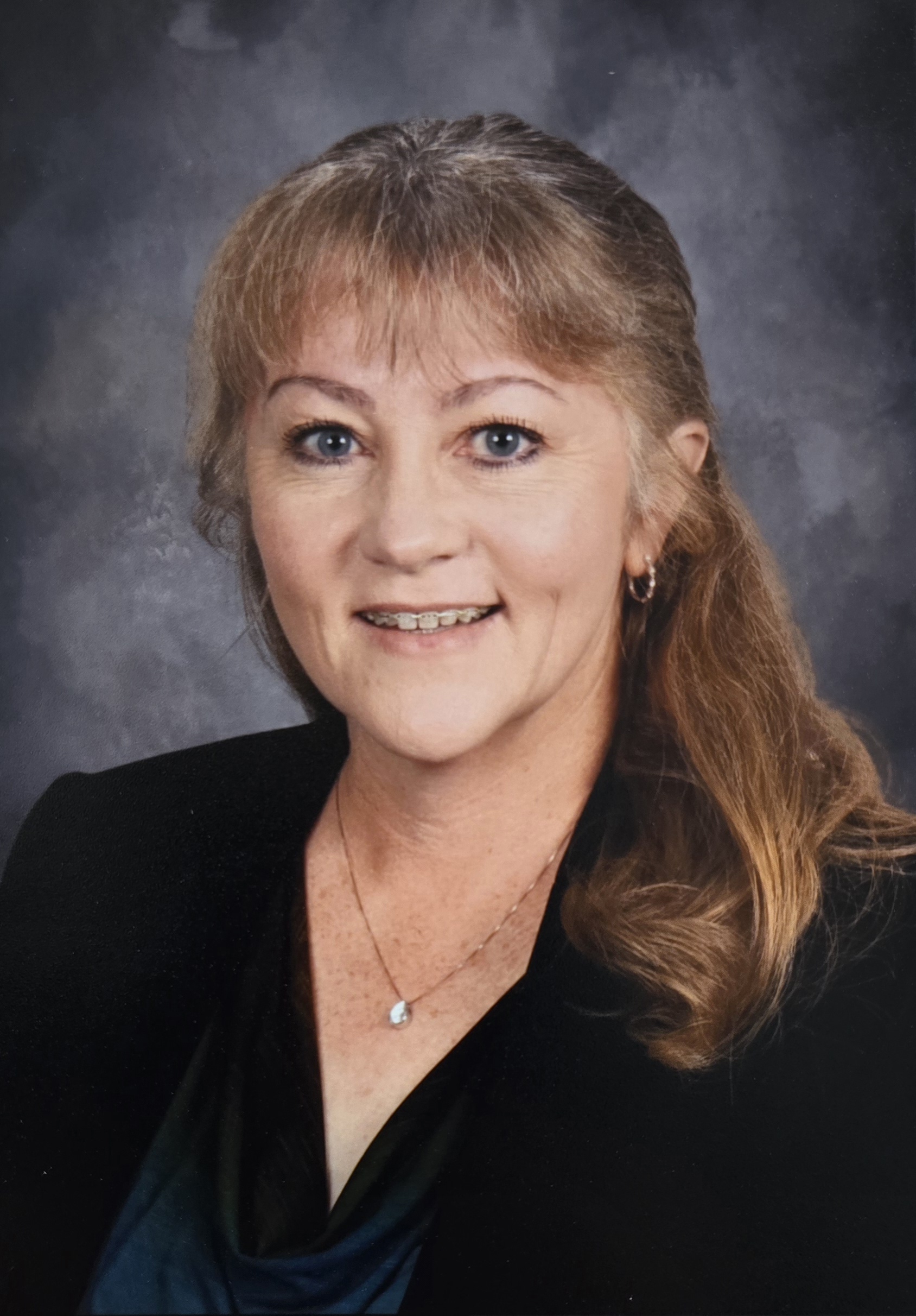 Dr. Neily Snook. Courtesy photo
At a time when many are questioning the evolving role of state and federal systems, Crane said the conversation must continue.
“Every time we help a child understand how they learn, we’re not just supporting academics—we’re building identity,” she said. “That’s the heart of what we do.”
That message feels especially fitting for a town where intellect is part of the local lore.
As Skolnick put it, “Gifted and twice-exceptional kids aren’t here to fit a mold. They’re here to change how we think about learning itself.”