
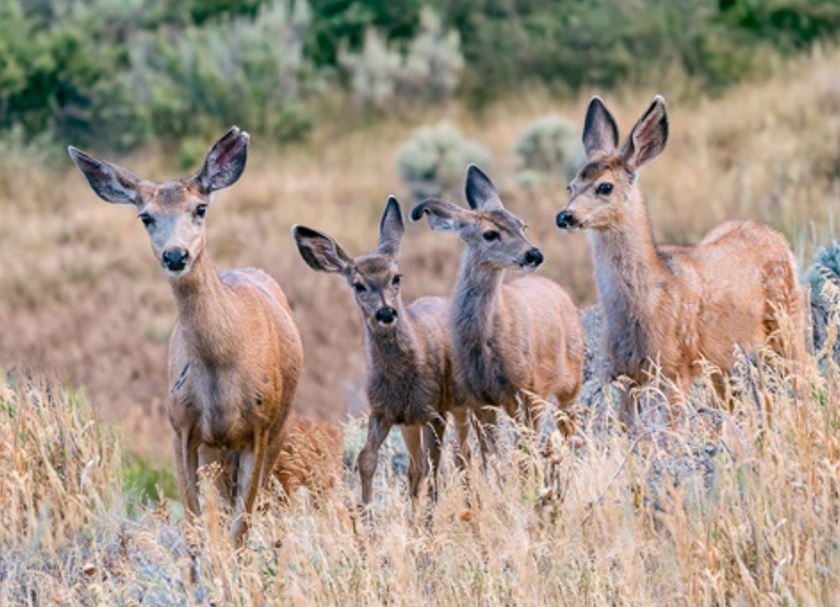
 Courtesy photo
COUNTY News:
In Los Alamos County, occasionally we see wildlife acting in a way that raises alarm. What does it mean when we say there is an animal not behaving normally, and what can we do to remain safe?
A large predator is not behaving normally when it fails to show its natural avoidance of humans or exhibits bold, aggressive behavior. Normally, most large predators are wary of humans and will actively avoid contact, as they do not want to risk injury in a conflict. A predator is behaving abnormally if it displays the following behaviors:
Loss of Wariness Towards Humans
- Approaching human-occupied areas: Predators generally stay away from human settlements, roads, or campsites. An animal that repeatedly comes into these areas is an indicator of abnormal behavior.
- Lack of fear: Normal behavior involves a fear response to humans. If an animal does not retreat when encountering people, or seems unbothered by human presence, it is likely habituated (used) to human contact, which is an abnormal and potentially dangerous condition.
- Allowing a close approach: A healthy, wild predator will not allow a human to get close. If one does, it may indicate it is sick, injured, or habituated to people.
Aggressive or Predatory Actions
- Stalking or following humans: Predators like mountain lions or bobcats may exhibit aggressive behaviors such as stalking, crouching, or intense staring, which are precursors to an attack.
- Daytime activity near humans: While some animals are active during the day, many predators are more nocturnal to avoid human activity. Consistent daytime presence near humans can be a sign of extreme hunger or habituation.
- Attacking without provocation: A normal predator is unlikely to attack a human unless it is cornered, protecting its young or a kill, or has a history of successful hunts on humans. An unprovoked attack is a clear sign of abnormal behavior.
- Body language cues: Specific body language, such as a mountain lion with its tail twitching, body low to the ground, and rear legs pumping, indicates an imminent attack.
Abnormal behavior can stem from various factors:
- Habituation: The animal has become accustomed to human presence, often due to being fed by people or frequently scavenging human garbage.
- Injury or illness: A sick or injured animal may be unable to hunt natural prey effectively and might resort to seeking food in human areas, making it more desperate and aggressive.
- Protection of young or a kill: While a natural defensive response, a predator that feels a human is a threat to its cubs or food source will act aggressively.
If you encounter a large predator behaving abnormally, it is important to act aggressively, make loud noises, and retreat slowly while facing the animal. Do not run, as this may trigger a chase response. Consider carrying bear spray for self-defense.
To learn more about the wildlife of the Pajarito Plateau and frequent issues with wildlife in Los Alamos County, visit www.lacnm.com/wildlife.
To learn more about New Mexico wildlife, visit the NM Game & Fish website at www.lacnm.com/NMGF. For information on how to contact NM Game and Fish, visit the Contact Us page on their website.