
 By REBECCA RUTHERFORD
Los Alamos
For the Los Alamos Daily Post
When a cybersecurity company gets hacked, it feels a bit like hearing your locksmith’s house was broken into. This week, F5—one of the world’s largest providers of network security and load balancing technology—confirmed that it had been breached by a nation-state actor, according to federal officials. Yikes!
The firm reported that while some internal systems and source code were accessed, its operations and customer-facing products remain unaffected.
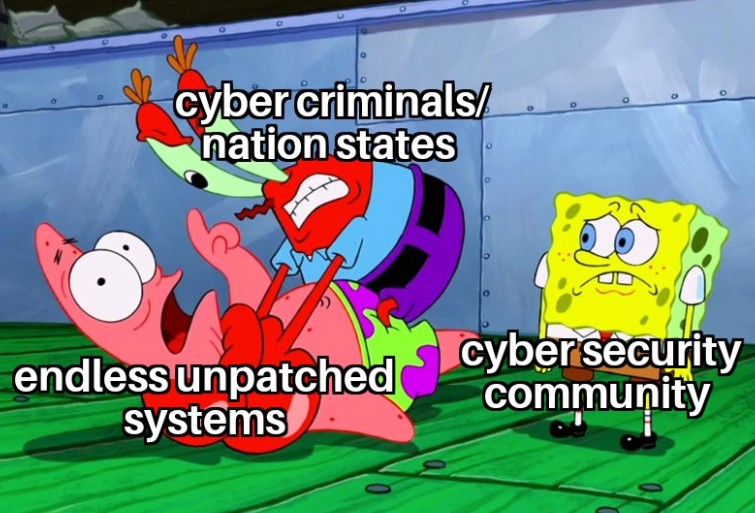
Still, both U.S. and U.K. cybersecurity agencies issued urgent alerts urging organizations to patch and review their F5 devices for any signs of intrusion.
My brothers and sisters in the SOC(Security Operations Center), I feel your pain! It’s going to be a long week.
The breach was first detected in August, with public disclosure delayed until mid-October for security reasons. Investigators say the attackers likely sought strategic access rather than financial gain—a hallmark of state-sponsored cyber operations.
On a positive note, F5 products are not commonly used by home users, so no need to check your home equipment. If you are a small business and use any F5 products, you should be aware of the issue and working to remediate it.
What Makes This Different
F5 isn’t a household name, but it’s woven into the digital fabric of how we connect. Its technology sits quietly in the background of government, financial, and enterprise networks around the globe. When a company like that gets hit, it means the intruders weren’t just after a quick score—they were looking for the map.
And that map could reveal how to navigate systems that many public agencies depend on.
Lessons From the Lock Pickers
- If there’s a takeaway from all this, it’s that no one is too secure to be tested.
- Even the experts must constantly evolve, patch, and adapt.
For the rest of us—whether you run a business, manage local government systems, or just maintain your home network—it’s a reminder to:
- Apply security updates early and often
- Check for unusual logins or data transfers
- Have a response plan before an incident happens
Because cybersecurity isn’t a finish line; it’s a routine. The moment we think we’re safe, the landscape shifts again.
The Bottom Line
- This isn’t a story about failure—it’s a story about reality.
- In 2025, the most advanced defense is awareness, and the best offense is preparedness.
- The watchers, it seems, are being watched, too.
- Be aware of the risks and keep your home networks as protected as you can by patching and updating all your systems and equipment. Stay safe online!
Editor’s note: Rebecca Rutherford works in information technology at Los Alamos National Laboratory.