
 By REBECCA RUTHERFORD
Los Alamos
For the Los Alamos Daily Post
If a random package shows up on your doorstep that you did not order, your first thought might be that it is a harmless mistake or a weird but lucky freebie. An entire crate of cat socks??
YASSSS QUEEEN I’M READY!!! Not so fast…In reality, it could be part of a growing online scam known as a brushing scam, and it is something consumers should not ignore.
Brushing scams happen when third party sellers, often operating through large online marketplaces, send unsolicited packages to real people using their name and address. The goal is not to give you a gift. The goal is to create a “verified purchase” so the seller can post fake five-star reviews under a real customer profile. These reviews help boost their product rankings and make their listings look trustworthy to future buyers.
TL:DR Do not trust those Amazon reviews! A lot of them could be fakes.
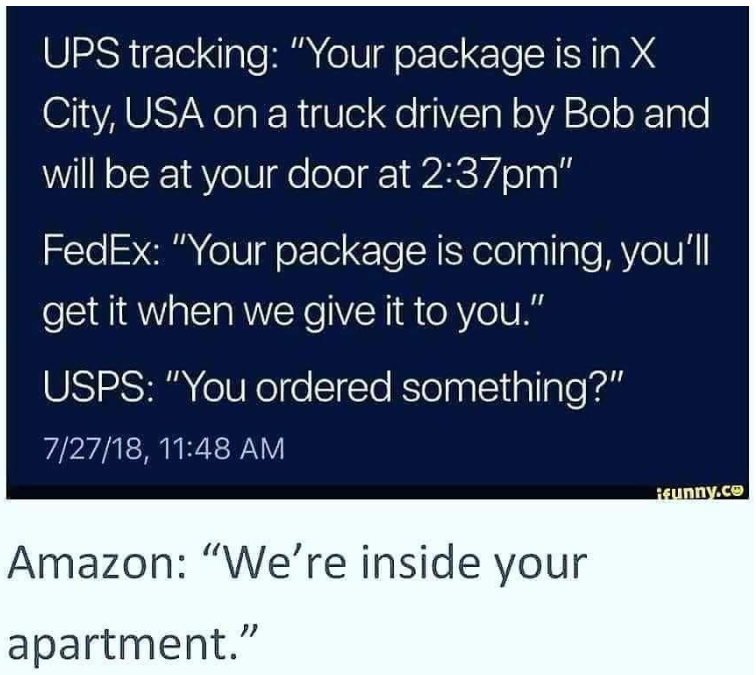 Shipping meme. Courtesy photo
The items involved are usually small and inexpensive. Think phone cables, socks, seed packets, cheap jewelry, or random household gadgets. The product itself is not the prize. Your personal information is.
The fact that a package reached you means the seller already has your name, address, and sometimes your phone number. While brushing scams do not usually involve immediate financial theft, they are a clear sign that your personal data is circulating in online marketplaces or data broker lists without your knowledge.
In some cases, the scam escalates. Victims have reported receiving emails, texts, or fake customer service messages after the delivery, attempting to lure them into clicking links, providing account details, or confirming information. Others have found fake reviews posted under their name for products they never bought, tying their identity to fraudulent activity.
Sometimes the fake product reviews are posted under completely different products, making it even more confusing.
If you receive a package that you did not order, do not scan QR codes, click links, or respond to any messages connected to it. Check your online shopping accounts to make sure no unauthorized orders were placed. Change your passwords if you see anything suspicious and enable two factor authentication where possible.
Most major retailers allow you to report brushing scams directly through their customer support or fraud reporting tools. Reporting helps platforms identify abusive sellers and limit how often this happens to other customers. If you do receive a brushing scam from an Amazon seller, please report it to their customer service.
You are generally allowed to keep the item, but you should not engage with the seller in any way. The real value for scammers is confirmation and interaction. Silence is safer! Brushing scams are a reminder that not all threats arrive through obvious phishing emails or hacked accounts. Sometimes they show up quietly in your mailbox, as 75 Barbie Dolls wrapped in a padded envelope, hoping you will shrug and move on.
When it comes to online safety, even “free” stuff can come with strings attached. Staying aware, checking your accounts, and reporting suspicious deliveries can help protect not just you, but everyone else shopping online too. Be aware, stay safe online and don’t get scammed!
Editor’s note: Rebecca Rutherford works in information technology at Los Alamos National Laboratory.
 Barbie meme. Courtesy photo