
 By ROBERT DRYJA
Los Alamos
We are used to seeing the variety of plants in a general way. A ponderosa pine tree and grass in a lawn are both recognized as being plants.
Their differing size and the shape of their leaves are not the crucial factors for them to be defined as a plant.
Both photosynthesize with sunlight to produce oxygen and nutrients. This is what defines them as a plant.
A closer look at a particular kind of plant can bring out some remarkable variations.
The mountain mahogany is an example. We tend to think of plants as having flowers where seeds develop. The mountain mahogany has small flowers and seeds and then something else. A thread-like spiral grows out of the flower. It may be up to three inches long while the flower with its seed pod may be about ¼ an inch in size. If a mountain mahogany grows a hundred flowers then a hundred spirals also grow, (see Picture 1).
Why does a mountain mahogany grow such distinctive spirals as part of its flowers? A spiral and its attached seed pod may be carried away by the wind or in the fur of a passing animal. A field of mountain mahogany shrubs may result from this kind of disbursal. However questions remain. Why don’t other plant species also have similar spirals to disburse their seeds?
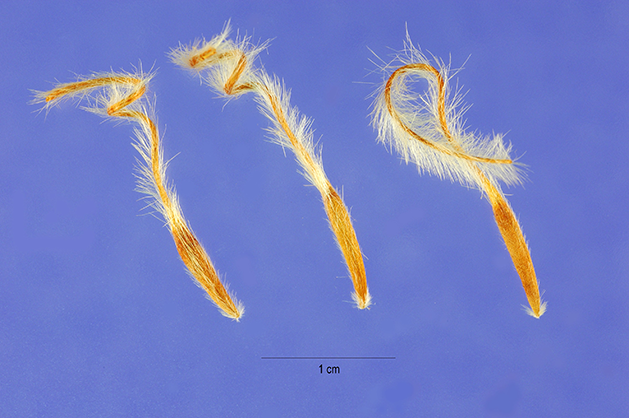
Picture 1: A fuzz covered spiral grows from the top of the seed pod. Courtesy photo
If wind does not occur at the correct time, spirals may fall to the ground next to their parent plant. Indeed, mats of fallen spirals can be seen from time to time lying around a parent plant. Is this an inefficient way to reproduce? It may be inefficient but still good enough to support the start of new generation.
Two species of mountain mahogany are commonly seen. One specie has relatively circular leaves that are serrated along their edge. These are called alder leaf mountain mahogany (see Pictures 2 and 3) The circular leaves of the alder leaf turn brown and fall away in the autumn like other deciduous trees.
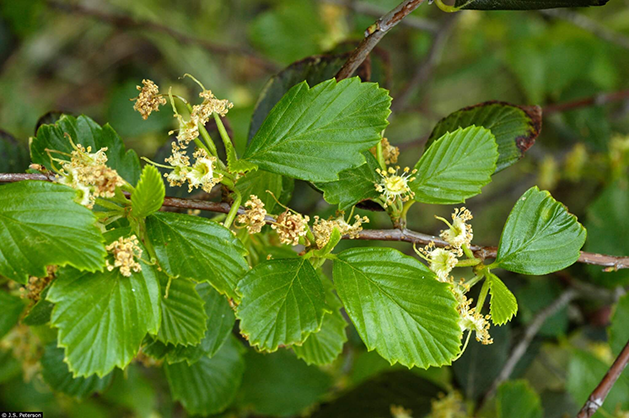 Picture 2: Alder leaf mountain mahogany (Cercocarpus Montanus) has a stem with circular, serrated leaves with small flowers emerging in the spring. Seed pods will grow from the flowers. Courtesy photo
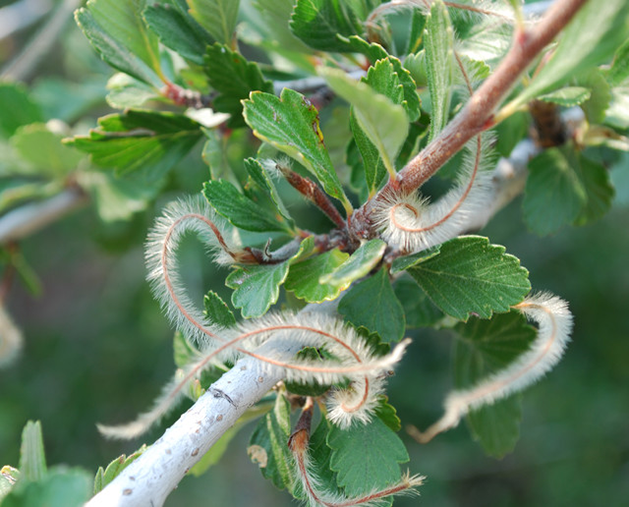 Picture 3: Fuzz covered spirals grow from the flower pods of the Alder leaf mountain mahogany. Courtesy photo
The other specie has leaves that are like elongated ovals. These are called curve leaf mountain mahogany, (See picture 4). It is very slow-growing, and can live for up to 1,350 years. The leaves are green for both species. Then something different occurs when winter arrives. The oval leaves of the curve leaf may remain green.
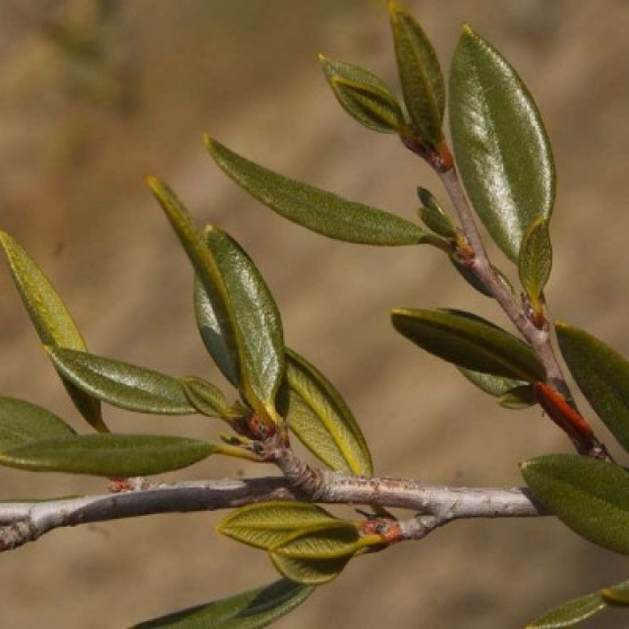 Picture 4: The shape of leaves show why Curve leaf mountain mahogany was so named, (Cercocarpus ledifolius). Courtesy photo
Can you imagine seeing a neighbor’s rose bush having flowers with fuzzy spirals? Can you imagine it having green leaves covered covered with snow in winter? Remarkably, the curl leaf mountain mahogany plant is a type of rose species. This is based on its bark and dense wood.
Spring will be arriving in a month. This will be a good time to closely look at various plants that are about to end their winter slumber. A number of trees already have small bulbs on their branches. These bulbs started growing in the autumn. Further growth can start whenever good weather conditions start. An early spring permits an early start of growth. Are those small bulbs for leaves or D? Will flowers appear first or will it be leaves? Mountain mahogany has remarkable attributes. Do other plants have other kinds of attributes?