
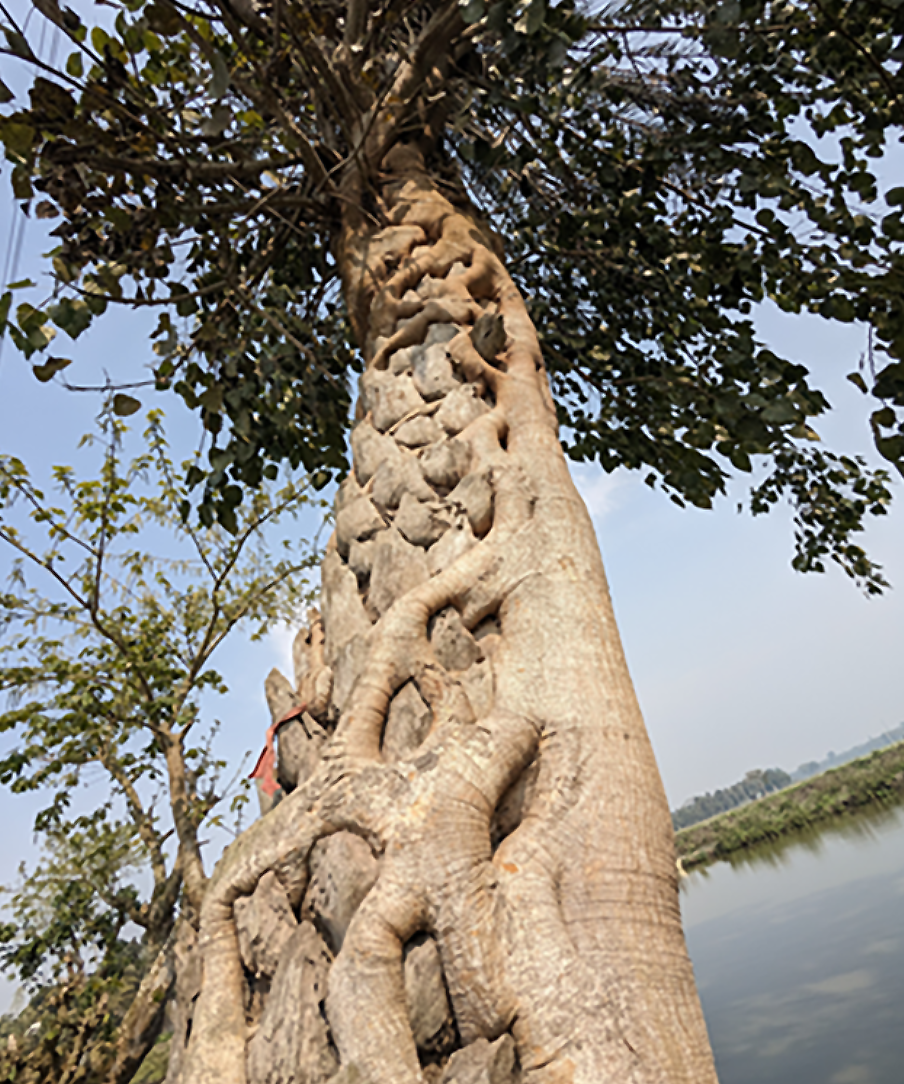
 Picture 1: A set of banyan tree roots are covering the trunk of the support tree. Courtesy photo
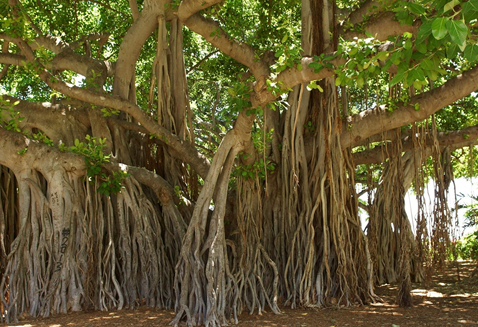 Picture 2: Trunk-like branches grow horizontally and have roots growing downward. Courtesy photo
 By BOB DRYJA
Los Alamos
Darwin asserted that species most fit for their environment were more likely to survive and pass their attributes on to the next generation. This is the so called “survival of the fittest”.
Tall trees with an extensive covering of leaves provide a one kind of environment. The resulting environment at the base of such a tree is very shadowy. It is not conducive for seeds to grow since more sunlight is needed. On the other hand, the branches toward the top of such a tree are exposed to sunlight. This provides a favorable environment, at least in terms of sunlight.
April 1 is a particular day of the year. Some peculiar forms of life also can be seen. There is a species of tree known as the banyan tree. A banyan tree grows pods filled with many seeds. A pod may grow to be about an inch across. Seeds may start to grow if they are carried to an area that has sunlight. Could banyan tree seeds also start to grow if exposed to sunlight at the top of a tree?
Banyan trees may have their seeds picked by a bird as a source of food. The bird may fly to the top of a tall tree and leave seeds there. The intent may be to eat them later or they may be accidentally lost. The seeds of a banyan tree now are in a favorable environment. Banyan seeds indeed start growing at the sunny top of a support tree rather than the shadowy ground below. A young banyan tree grows roots against the side of the support tree, (picture 1).
These may grow downwards 10, 20 or 30 feet depending on where a seed was left by a bird. The roots are able to absorb water and nutrients from the trunk of the support tree while growing downward. Water and nutrients are only an inch or two below the surface of the trunk where the roots are growing. Even more nutrition becomes accessible when the roots reach the ground.
An additional form of growth may occur for a strangler-fig tree. Horizontal trunks also may grow from a strangler-fig that started growing from the top of the support tree, (picture 2). Roots then grow down from the horizontal trunks. These horizontal trunks may become almost as large at the main spiral of roots that surround the trunk of the support tree. A strangler-fig tree may eventually grow wider than it is tall, (picture 3). Some strangler-fig trees may grow to cover four or more acres with its horizontal trunks and vertical roots.
The trunk of the support tree may become nearly enclosed by the banyan tree roots over the years. The support tree also has more and more of its water and nutrition taken by the banyan tree growing larger on it. A support tree may look as if it has been strangled by the encircling roots of the banyan tree. It may die of old age and reduced nutrition. “Strangler fig” therefore is a popular name for the banyan tree. The trunk of a dead support tree may decompose, leaving a hollow column surrounded by the roots of the strangler-fig,
The fig fruit of the strangler-fig tree is pollinated by a specialized species of wasp. This wasp only reproduces in fig flowers. There are 750 species of fig trees. Most of these tree species have their own particular species of wasp that pollinate them.
Banyan trees therefore have evolved to start growing from the top of a tree. Few other species of trees can grow like this. A banyan tree may be very fit for its environmental setting, but this is a very particular type of setting in which to grow.
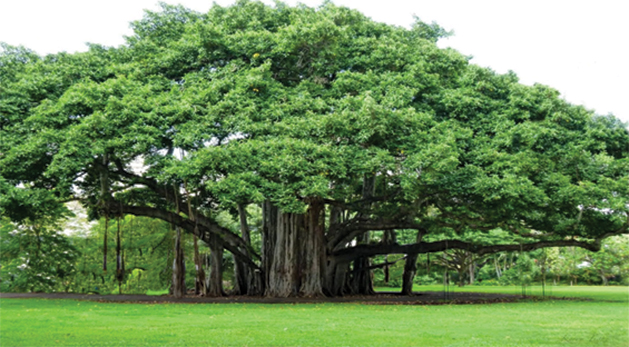 Picture 3: The banyan tree has grown far more horizontally than vertically. Courtesy photo