
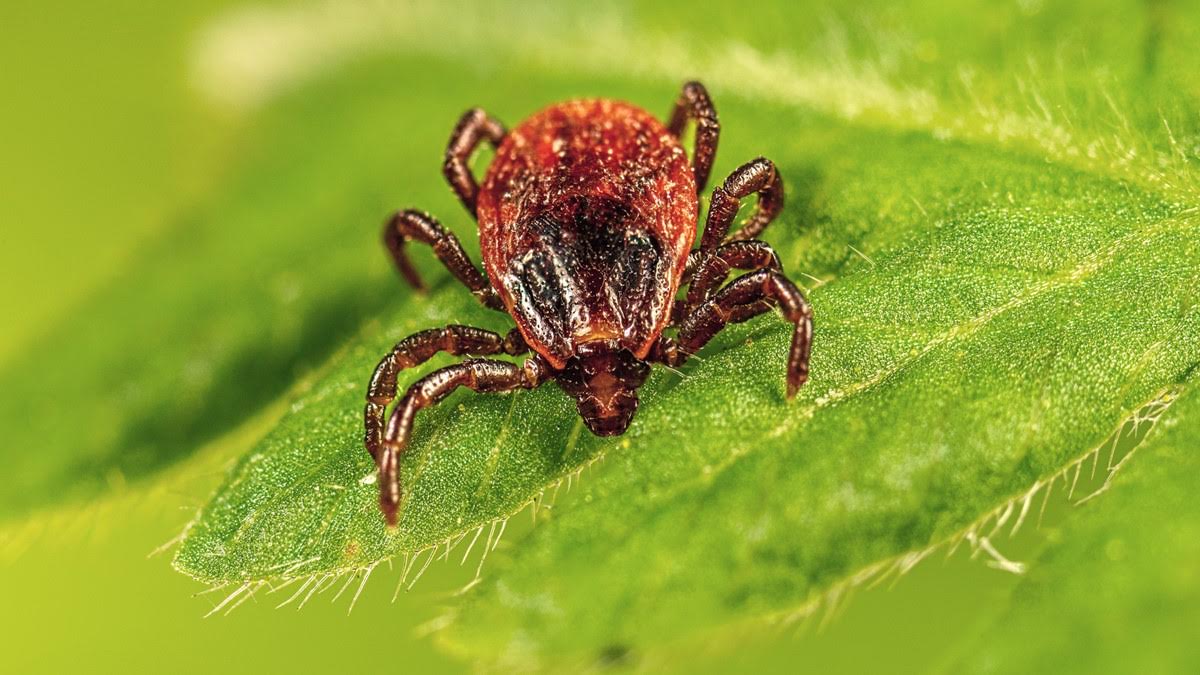
 A brown dog tick (Rhipicephalus sanguineus). Courtesy/CDC
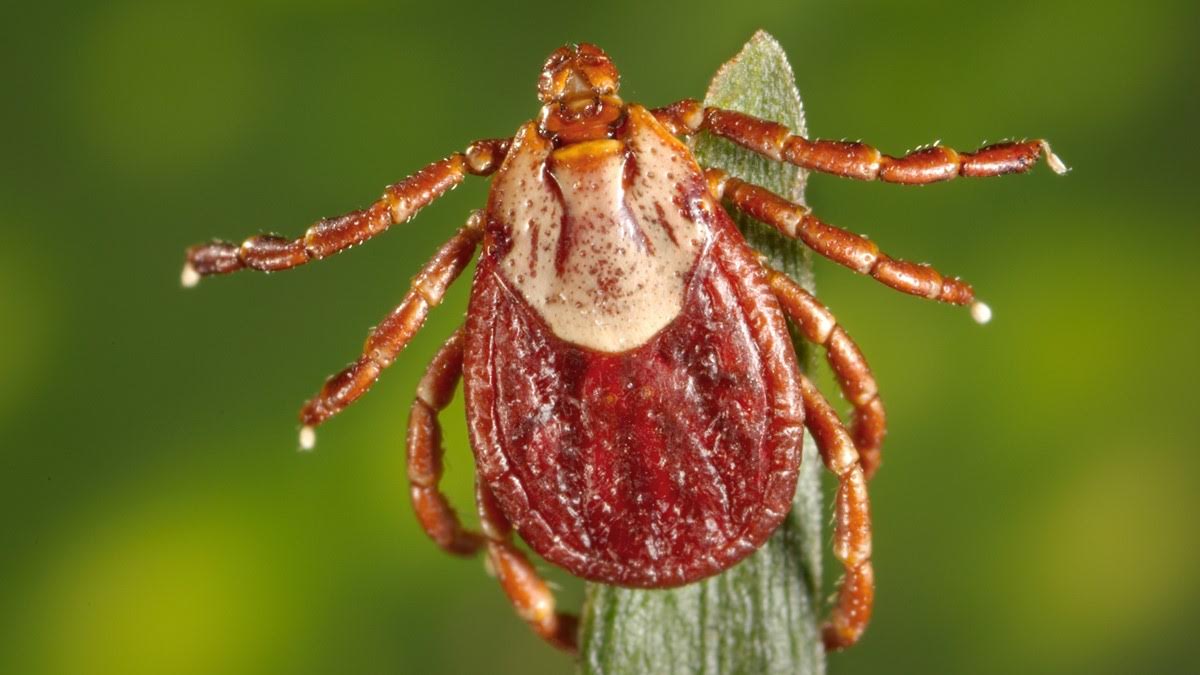 A rocky mountain wood tick (Dermacentor andersoni). Courtesy/CDC
COUNTY News:
Why is there an increase in ticks in Los Alamos County?
In Northern NM, an increase in tick populations in 2025 is likely due to several factors:
- Climate change: Milder winters and earlier springs, due to climate change, allow ticks to survive and reproduce for a longer period, leading to larger populations. Ticks are exotherms, meaning they don’t regulate their internal temperature, so they thrive in warmer conditions. Changes in precipitation patterns and extreme weather events can also influence tick populations and their distribution.
- Increased wildlife host populations: The increase in deer populations, a preferred host for some tick species, provides more food sources for ticks, contributing to their growth.
- Habitat changes: Reforestation and changes in land use can create more favorable tick habitats, including increased shade and vegetation, which ticks prefer.
Wildlife species that impact tick populations include:
- Deer: Deer are the primary blood source for adult female ticks, which need this blood meal to reproduce. As deer populations increase, the number of adult ticks also tends to rise.
- Mice: Mice are important hosts for ticks’ larval and nymph stages. They are also known to be reservoir hosts for Lyme disease, meaning they can carry the bacteria that cause the disease and pass it on to ticks.
- Other wildlife: While deer and mice are key contributors, other animals like raccoons, squirrels, and chipmunks can also serve as tick hosts, particularly in areas where they are abundant.
What ticks are in Los Alamos County?
In northern New Mexico, there are two most commonly found ticks:
Brown dog tick
(Rhipicephalus sanguineus)
- Where found: Worldwide.
- Transmits: Rocky Mountain spotted fever (in the southwestern U.S. and along the U.S.-Mexico border).
- Comments: The brown dog tick’s primary host in each of its life stages is dogs, but the tick may also bite humans or other mammals.
Rocky Mountain wood tick
(Dermacentor andersoni)
- Where found: Rocky Mountain states and southwestern Canada from elevations of 4,000 to 10,500 feet.
- Transmits: Rocky Mountain spotted fever, Colorado tick fever, and tularemia.
- Comments: Adult ticks are primarily associated with pathogen transmission to humans.
Preventing tick bites on people
Before going outdoors:
- Know where to expect ticks. Ticks live in grassy, brushy, or wooded areas or on animals. Spending time outside walking your dog, camping, gardening, or hunting could bring you into close contact with ticks. Many people get ticks in their yards or neighborhoods.
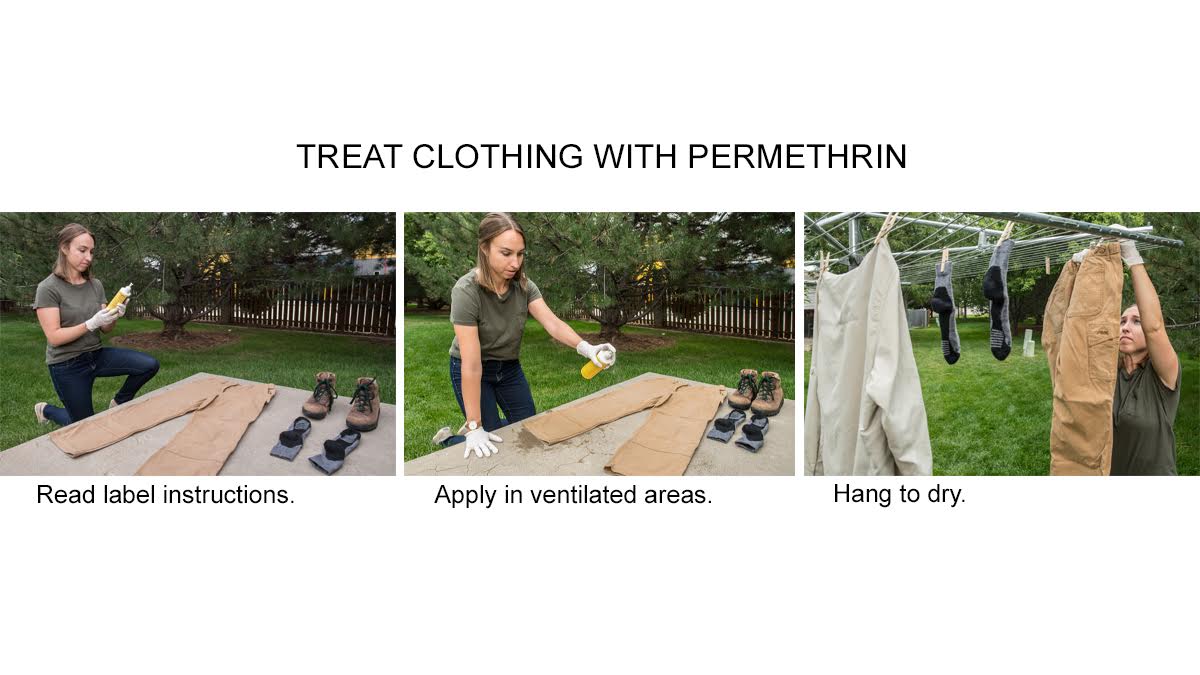
- Treat clothing and gear with products containing 0.5% permethrin. Permethrin can treat boots, clothing, and camping gear and remain protective through several washings. Alternatively, you can buy permethrin-treated clothing and gear.
- Avoid contact with ticks. Avoid wooded and brushy areas with high grass and leaf litter. Walk in the center of trails.
- Use Environmental Protection Agency (EPA)-registered insect repellents containing DEET, picaridin, IR3535, Oil of Lemon Eucalyptus (OLE), para-menthane-diol (PMD), or 2-undecanone. EPA’s helpful search tool can help you find the product that best suits your needs. Always follow product instructions. Do not use products containing OLE or PMD on children under 3 years old. When used as directed, EPA-registered insect repellents are proven safe and effective, even for pregnant and breastfeeding women. If you are using sunscreen, apply sunscreen first and insect repellent second.
Insect Repellent Bot: This Centers of Disease Control and Prevention (CDC) tool guides you through questions and answers about insect repellents, including how to choose a repellent, how to apply repellent, and other ways to prevent tick and mosquito bites. Find the tool on the CDC website: https://www.cdc.gov/ticks/prevention/index.html
After you come indoors:
- Check your clothing for ticks. Ticks may be carried into the house on clothing. Any ticks that are found should be removed. After you come indoors, tumble dry clothes in a dryer on high heat for 10 minutes to kill ticks on dry clothing. If the clothes are damp, additional time may be needed. If the clothes require washing first, hot water is recommended. Cold and medium-temperature water will not kill ticks.
- Examine gear and pets. Ticks can ride into the home on clothing and pets and later attach to a person, so carefully examine pets, coats, and daypacks.
- Shower soon after being outdoors. Showering within two hours of coming indoors has been shown to reduce your risk of getting Lyme disease and may effectively reduce the risk of other tickborne diseases. Showering may help wash off unattached ticks and is a good opportunity to do a tick check.
- Check your body for ticks after being outdoors. Conduct a full body check upon returning from potentially tick-infested areas, including your backyard. Use a hand-held or full-length mirror to view all parts of your body.
- Check these parts of your body and your child’s body for ticks:
- Under the arms
- In and around the ears
- Inside the belly button
- Back of the knees
- In and around the hair
- Between the legs
- Around the waist
Learn more about ticks and tickborne diseases on the CDC website: https://www.cdc.gov/ticks/index.html
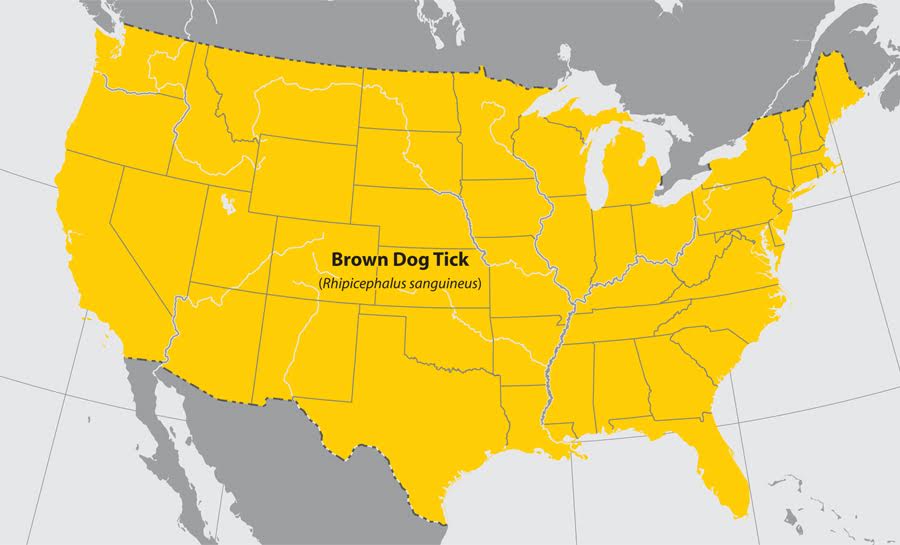 Courtesy/CDC
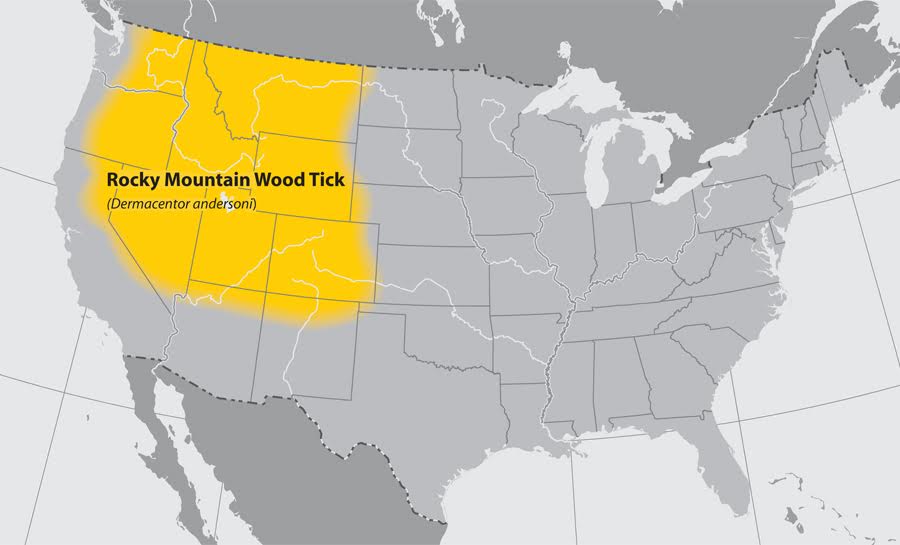 Courtesy/CDC
 Courtesy/CDC