
 Courtesy/ NM Supreme Court
Of New Mexico Supreme Court News:
SANTA FE – New Mexico’s highest court today proclaims “Supreme Court of New Mexico Day” on Jan. 10 of each year.
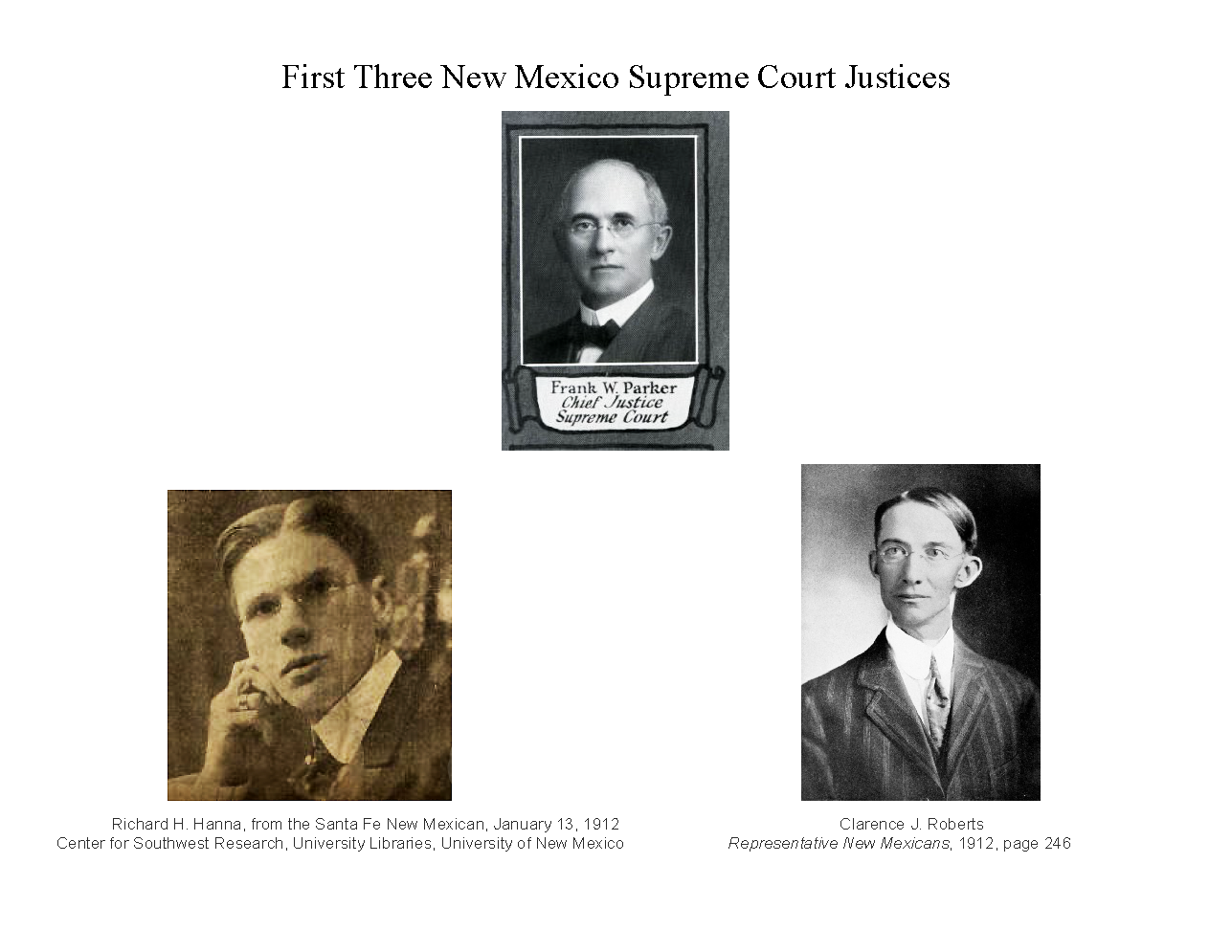
The proclamation commemorates the day on which state Supreme Court justices first took their oaths of office in 1912, and the Territorial Supreme Court went out of existence. New Mexico became the 47th state on Jan. 6, 1912.
“The state Supreme Court protects the constitutional rights of all New Mexicans by serving as the final authority in interpreting and deciding matters of state law. Its counterparts in other states do the same for the rights guaranteed under their respective state constitutions,” Chief Justice David K. Thomson said. “The proclamation advances one of my goals as Chief Justice to help people understand the critical role of state supreme courts across the nation in preserving our rights and maintaining the rule of law. Recognizing the establishment of New Mexico’s highest court reminds us that our society functions within a framework of laws applying equally to each person and governmental institution.”
Chief Justice David K. Thomson
Courtesy/NM Supreme Court
When the state Supreme Court was first created, it was made up of three justices. The Court was expanded to five justices in 1929.
Before statehood, New Mexico’s territorial Supreme Court justices were appointed by the president and performed the duties of both trial and appellate court judges. The territory was divided into judicial districts with each having a judge who rode circuit from county to county to conduct trials and decide cases. The justices convened in Santa Fe to hear appeals as the territorial Supreme Court.
New Mexico’s Constitution separated trial and appellate court judges. There initially were eight judges sitting on the district courts and the three justices of the Supreme Court.
The Supreme Court of New Mexico oversees other courts that make up the judicial branch of New Mexico: the Court of Appeals, district and magistrate courts, the Bernalillo County Metropolitan Court, county probate courts and municipal courts.